Oct 2, 2013 | Education, Innovation
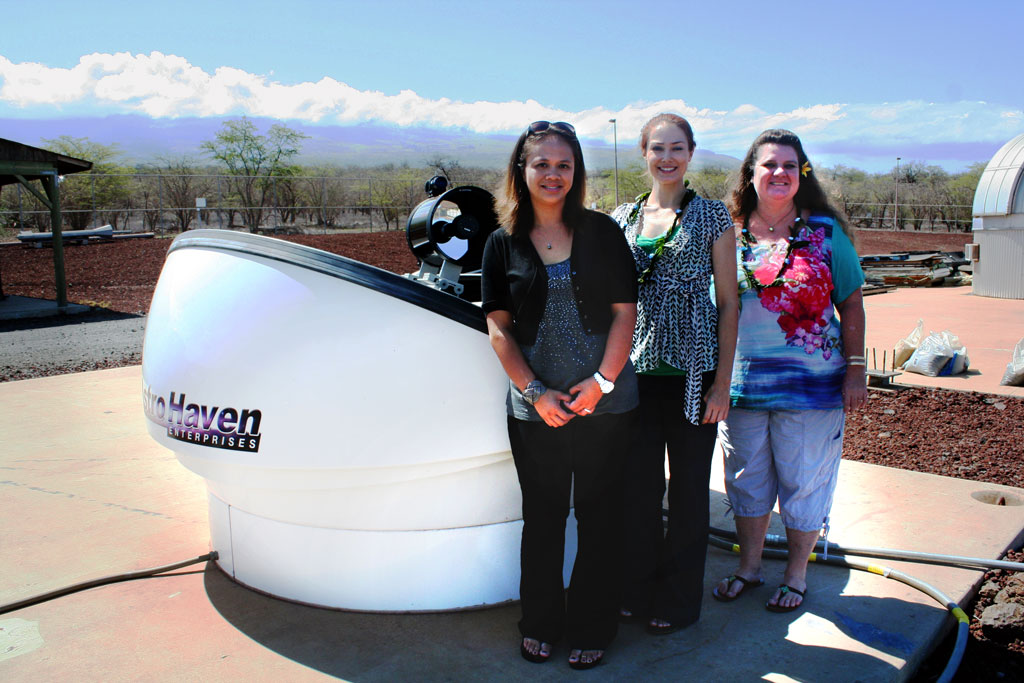
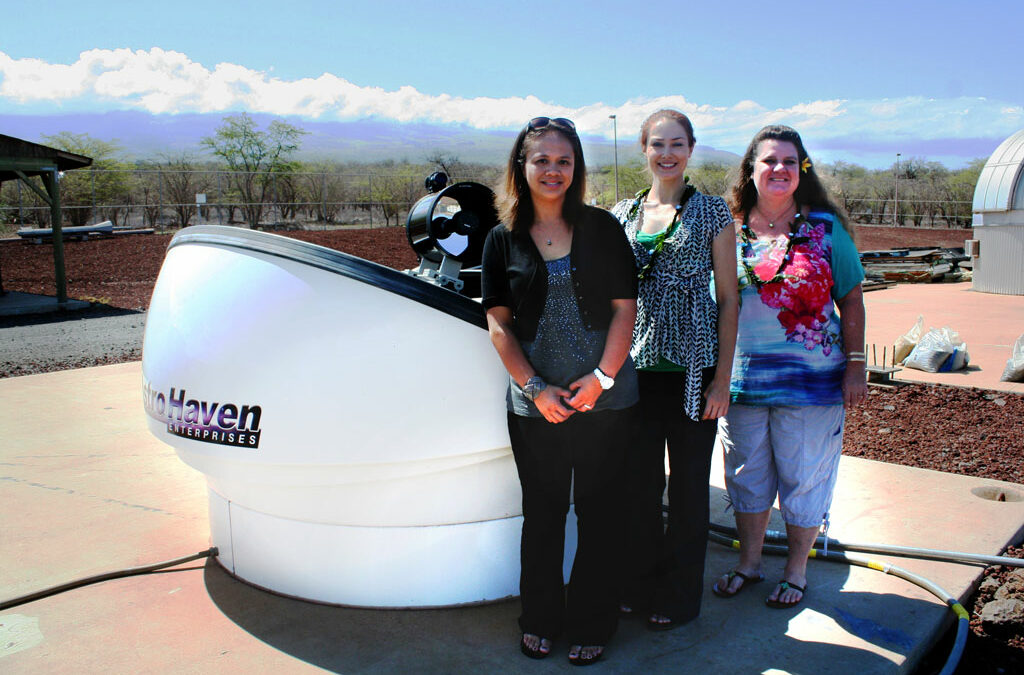
Teachers seek new, innovative ways to stir curiosity in their students’ young minds. Soon, 5th-grade teacher Wendy Wells and 4th-grade teacher Carolyn Bush will have webcam/video access to a telescope on the Maui Research and Technology property via the Aloha Explorations Outreach Project. “We plan on using the telescope with our students for observation of the moon, sun and planets,” the teachers said. “We feel it will help promote Science, Technology, Engineering and Math and space explorations … It will be motivational for students as we know they will have a high interest and curiosity.”
The explorations project is a collaboration of the U.S. Air Force Research Laboratory, Georgia Institute of Technology, the University of Hawaii Institute for Astronomy and Maui Economic Development Board. The project will allow students on Maui to access the telescope via the Internet. The telescope gives K-12 teachers and college instructors real-time video-imagery of the moon and other celestial objects. Any teacher trained to use the telescope webcam may reserve a time slot, and then – while viewing the moon, for example, will have the ability to move the telescope at will to any desired location. Physical scientist Stacie Williams, who oversees community outreach activities for the Air Force Research Laboratory on Maui, said the telescope project has been in the works for two years now. Selected schools in Georgia and on Maui such as Kamalii Elementary where Bush and Wells teach will be the first to use the telescope. By fall 2014, the project hopes to offer telescope time to others on Maui as well as classrooms in Ohio and Oregon.
“I hope this telescope will get students engaged and think about what they can do in space and in science,” Williams said. “The way you connect students with science is to connect them with real world examples … This gives them a shot at being a real scientist and that’s exciting.” Bush said her students are excited about the opportunity. “Parents who’ve also heard about it are interested and glad for the opportunity for it to be used at our school,” she said.
Sep 4, 2013 | Education
“STEM career paths are the most lucrative out there.” — Ryan Churchill, MEDB Education Committee Chair
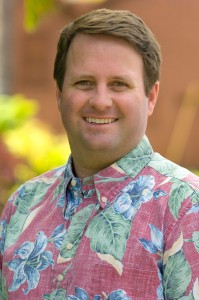
When he’s not hard at work at his job as president of Maui Land & Pineapple Co., Ryan Churchill serves as Education Committee chairman for Maui Economic Development Board. The committee oversees the Ke Alahele Education Fund and approves grants for educational projects in STEM, which stands for Science, Technology, Engineering and Math. Churchill said he’s been involved with Ke Alahele for six years and during that time, more than $750,000 has been granted. “STEM initiatives are making a big difference in our schools,” he said.
Students have been inspired not only to excel in school but also to pursue STEM careers, and that provides Maui County with a skilled workforce for its burgeoning high-technology industry. “STEM career paths are the most lucrative out there,” Churchill said. It’s important to expose students early to the opportunities provided by such careers, he said. Churchill shared he has two children, ages 8 and 10, and they’re about the age when they can start exploring robotics and other science and math-related activities. “If you can start educating them at a young level about the fun of engineering, the fun of science, and then as they get older and pick their career paths or their majors in college I think you can help guide them and then after college you have great opportunities out there,” he said.
The 2013 Ke Alahele Education Fund Dinner and Auction at the Grand Wailea Resort exceeded the goal and assured MEDB’s ability to sustain its level of granting. This year’s event featured student STEM project displays, robotics challenges and a tribute to the legacy of the late U.S. Sen. Daniel Inouye, a staunch MEDB and Ke Alahele supporter. Also, the crowd of more than 600 attending the dinner enjoyed Mayor Alan Arakawa and his wife, Ann, hosting a game show called “Who’s Smarter than a STEM 5th Grader?”
For more information about Ke Alahele, visit medb.org or call 875-2300.
Aug 21, 2013 | Education, Stemworks
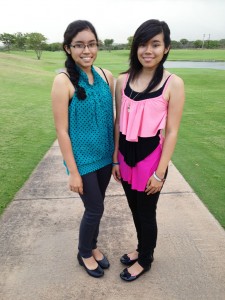
Jasmine & Janelle Feliciano
With her eyes set on a future in engineering, 17-year-old Jasmine Feliciano worked on advancing her computer aided design (CAD) skills during a six-week summer internship. Her twin sister, Janelle, completed a separate internship at a radio station where she edited videos and designed graphics. Both said they gained valuable lifelong lessons during the STEMworks™ summer internships coordinated by the Maui Economic Development Board’s Women in Technology project and funded in part by the Universities Space Research Association.
“This internship will help me pursue my future goals because it has already helped me achieve real working experience in the digital media field,” said Janelle, a Maui High School senior who plans to major in either graphics or journalism in college. “It pushes me to work harder because you never know where opportunities such as this internship may take you.” Janelle worked for the Pacific Media Group in Kahului where she was challenged with creating their new Real Estate Maui Now Magazine videos. “I learned that you cannot always have the video the way you pictured it because there will always be changes that need to be made,” she said. Meanwhile, Jasmine worked at Goodfellow Brothers in the Kihei baseyard where she was assigned to work on modeling the Airport Access Road and the Lanai Airport in a CAD format. She said she’s gained a better appreciation for civil engineering and that the internship has peaked her interests in mechanical and electrical engineering.
The twins said they would recommend the internship to other students interested in the fields of science, technology, engineering and math. “I would encourage STEMworks™ student to apply for an internship because they will gain more experience and knowledge in the field they will be working in,” Jasmine said. “More importantly, they will figure out whether they like it and want to pursue it, or try something else.” Internships were also supported by the Maui County Farm Bureau, Hawaiian Commercial & Sugar Company, Ardent Management Consulting, Esri, the Institute for Astronomy, Waipoli Farm, Hawaii P-20, and US Department of Labor.
*STEMworks is a project-based course developed and administered by MEDB applying technology tools to service-learning
Aug 14, 2013 | Education
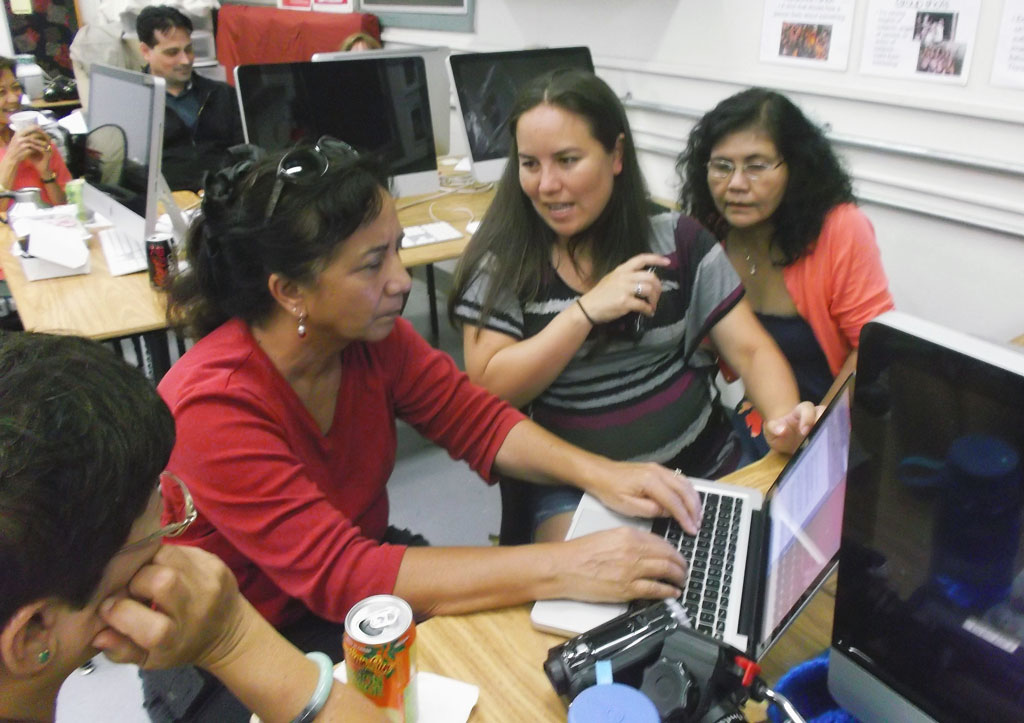
Maui teachers in hands-on video production workshop
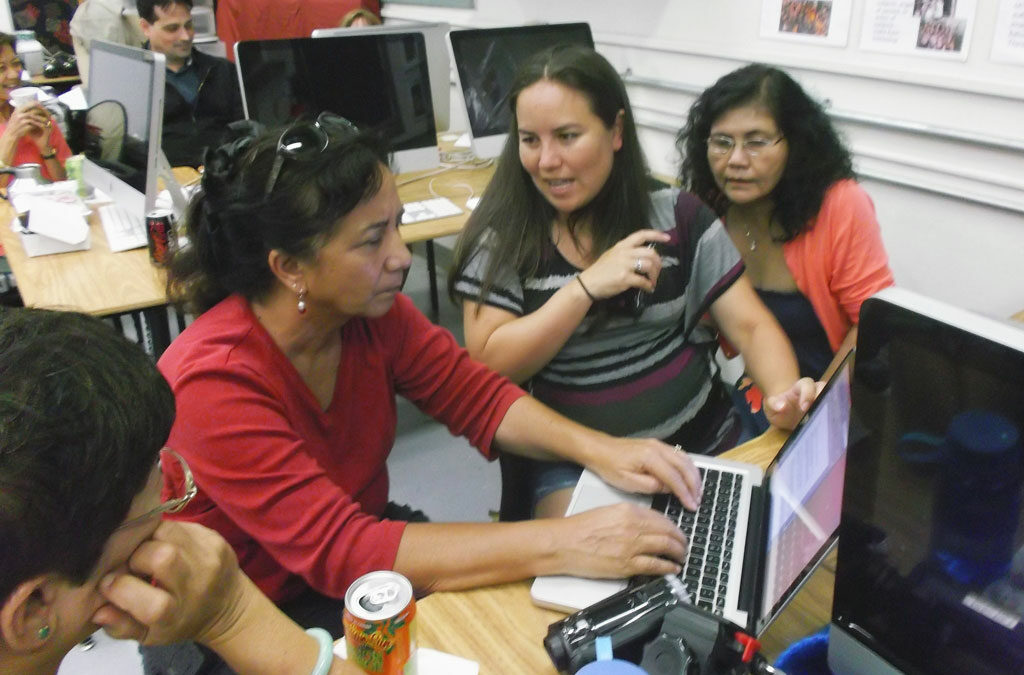
Sixteen Maui teachers brushed up on their writing, video shooting and editing skills this summer at a hands-on workshop coordinated by PBS Hawaii, the producers of HIKI NO. Now in its third year, HIKI NO is the first statewide student video news network in the nation. A $5,000 grant from the Maui Economic Development Board Ke Alahele Education Fund helped to pay for the two-day workshop. Maui High School digital media teacher Clint Gima said he found the workshop fun and informative. His students have enjoyed creating pieces for HIKI NO. “They get to show their work to a statewide audience and that’s very attractive to them,” Gima said.
HIKI NO provides Hawaii students in middle and high school an opportunity to create half-hour episodes aired during primetime. The students also get an opportunity to practice their Science Technology Education and Math (STEM) skills in producing video news stories. There are 13 schools on Maui participating in the program. Hana School teacher Ramona Moeai said she learned a lot about video story development during the workshop as teachers worked in teams to shoot, write and edit their own interview-based stories. “Since the beginning of HIKI NO I never understood what shooting a sequence was all about. … By being forced to do it, I finally figure it out for myself.”

Robert Pennybacker, PBS Hawaii
Workshop presenters included PBS Hawaii Learning Initiatives Executive Producer Robert Pennybacker, HIKI NO Online Editor/Associate Producer Lawrence Pacheco and HIKI NO Managing Editor Sue Yim. Pennybacker said the MEDB Ke Alahele grant helped to ensure more individualized training for Maui teachers. “There’s no better way to learn digital storytelling than by actually doing it,” Pennybacker said. The annual Ke Alahele Education Fund Dinner and Auction is set for Aug. 24 at the Grand Wailea Resort. For more information, call 875-2300, or visit: medb.org

Aug 7, 2013 | Education
“We want to be ready when the community is ready for a charter school.” — Sommer “Kehau” Kimokeo, Keanae parent
Keanae mom Sommer “Kehau” Kimokeo says she and the nonprofit she founded aren’t giving up on a dream to build a charter school in their remote East Maui community. Ka Waianu o Haloa’s application to open a charter school for children living in East Maui is currently on hold at the state Department of Education, Kimokeo said. “We believe there’s still a need for a charter school,” said Kimokeo, the president and founder of Ka Waianu o Haloa. She’s also the mother of three children, ages 11, 10 and 4.
Ka Waianu o Haloa’s members include parents and grandparents of Keanae and Waialua schoolchildren who endure a one-hour bus ride on the narrow and winding Hana Highway to attend Hana High and Elementary School. The nonprofit’s name refers to the cold water of Haloa, a source that helps the community grow and prosper. Keanae School was officially closed by the state Board of Education the same year Ka Waianu o Haloa formed and entered into a lease agreement to use the campus facilities to run health programs and community activities for all ages. “Our goal ultimately is to open a charter school on the campus,” Kimokeo said. “Right now we’re focusing our energy on educational programs for families.” Kimokeo said there are 24 school-aged children in her community who could attend the charter school if it opened today.
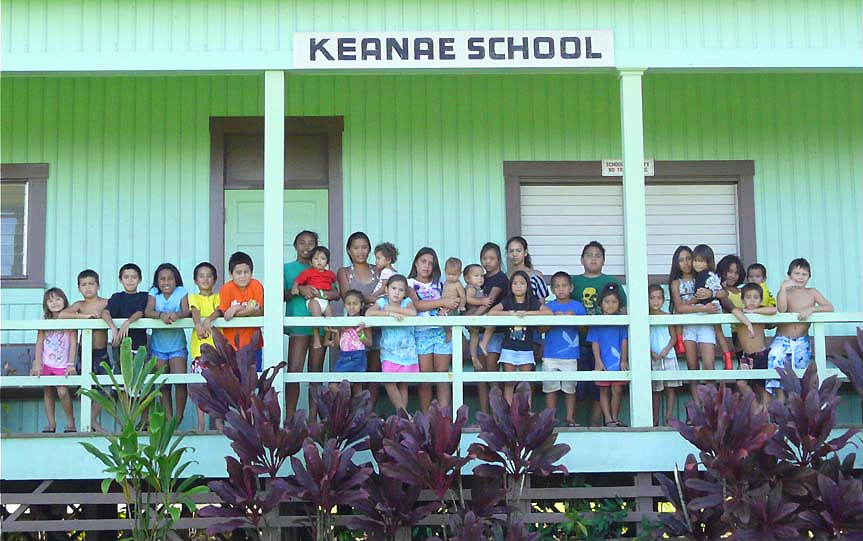 Kimokeo said approximately 1,000 people attended the group’s fundraiser in July on the school grounds. “It was nice. A lot of people showed up and supported us,” she said. With the new school year opening, Kimokeo said she’s preparing to start up another round of educational weekend programs that offer lessons in fishing, coconut palm weaving and kapa making. “We’re still pursuing all the educational aspects of our nonprofit,” she said. For more information, contact Kimokeo at 248-7403; or visit keanaecharterschool.org.
Jul 31, 2013 | Education
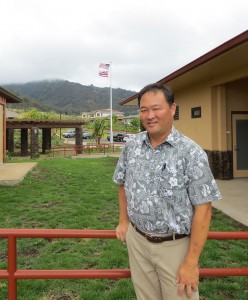
“I want Pu`u Kukui Elementary to be known as a school with heart.” — Principal Chad Okamoto
Maui’s newest public elementary school opens Aug. 5 in Wailuku with a staff of 28 teachers ready to work with 550 students in kindergarten through 5th grade. Principal Chad Okamoto, a 20-year veteran of the state Department of Education, has been working on building a staff that will work like a family. “I looked for heart,” Okamoto said in explaining his hiring process. “I wanted people who care about people and want to help people reach their potential.” Faculty experience ranges from a first-year college graduate to an educator with 42 years of teaching experience. “We’ll be focusing on the positive and building on their strengths,” Okamoto said.
Pu`u Kukui Elementary is located on 14 acres mauka of the Ohia Subdivision on property provided by Kehalani Mauka LLC. The campus has eight buildings featuring air-conditioned classrooms, space for special education students, a large dining facility, multiple faculty meeting rooms, administrative offices, a covered basketball court and a playing field that overlooks the central valley. Built to ease overcrowding in Central Maui’s public schools, Pu`u Kukui enrolled 200 students from nearby Wailuku Elementary and approximately 100 students from Pomaika`i Elementary in Kahului. Okamoto decided to adopt a teaching philosophy based on STEAM, which stands for Science and Technology interpreted through Engineering and the Arts all based in Mathematical elements. He and his staff have also been approaching their work based on teachings from Stephen R. Covey’s “The Seven Habits of Highly Effective People.”
Okamoto said what’s important to him is that students at his school learn the importance of caring for one another. He’s insisted that each classroom incorporate a community service project into its lessons. “I see us as an integral part of the community and I think the kids need to know they need to give back,” Okamoto said. “I want Pu`u Kukui Elementary to be known as a school with heart.”
Jul 17, 2013 | Education
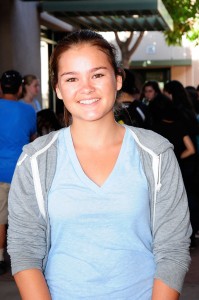
“Tech Connect gives us a lot of ideas about a future in science. We learn there’s no limit to what we can learn and do.” — Olivia Takakura, Wailuku Roselani Na Hokulani 4-H Club
Nearly 60 girls in 4-H clubs across the island danced under the stars and used GPS navigation techniques to find treasures at the annual 4-H Tech Connect* Fair held at Maui Economic Development Board. Designed to promote careers in science, technology, engineering and math, Tech Connect offered a variety of activities from “Spaghetti Bridge” to “Float the Boat,” challenging participants to test their skills in math and science. “It’s always a lot of fun,” said Olivia Takakura, a 13-year-old in the Wailuku Roselani Na Hokulani 4-H Club. She and her club members coordinated with other clubs across the island to attend MEDB’s event, funded this year by a grant from the U.S. Department of Education.
Takakura said her experiences at Tech Connect and at the FIRST Lego League robotic competition has fueled her interest in science and math. “I’m thinking about medical school or energy resources in my future. I had not thought about it until after I saw all these opportunities,” she said. Kaitlyn Yamada, also a Wailuku Roselani 4-H member, said she’s learned to use compasses, telescopes and a GPS – all through Tech Connect. “We really like GPS. You know it’s not just for cars. We can use GPS to find all kinds of things,” she said. At Tech Connect, Yamada helped to set up the coordinates of buried “treasure” on MEDB property. “GPS is really easy to me to use and it’s a lot of fun,” Yamada said.
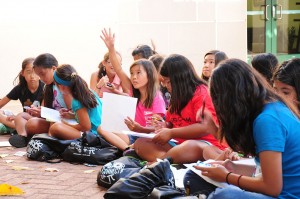 This year’s Tech Connect opened with a presentation by Kawai Kulihiwa, an astronomer and former MEDB intern and participant in the MEDB Women in Technology Project. “I looked in the sky and I loved it,” she told the group of 4-H girls. Kulihiwa provided background about Polynesian voyages to Hawaii and encouraged the young girls to learn as much as they could about science and math. “If you work hard, it’ll pay off,” she said.
* MEDB’s 4-H Tech Connect was launched in 2006 by MEDB’s Women in Technology Project with funding from U.S. Department of Agriculture.
Jul 16, 2013 | Education
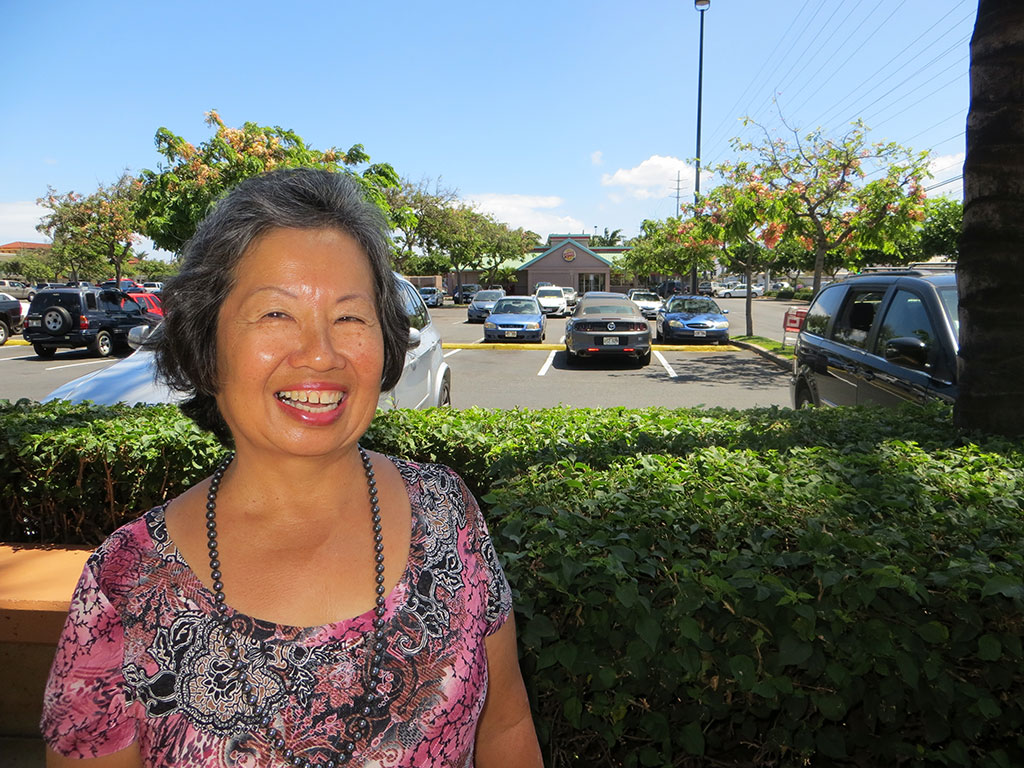
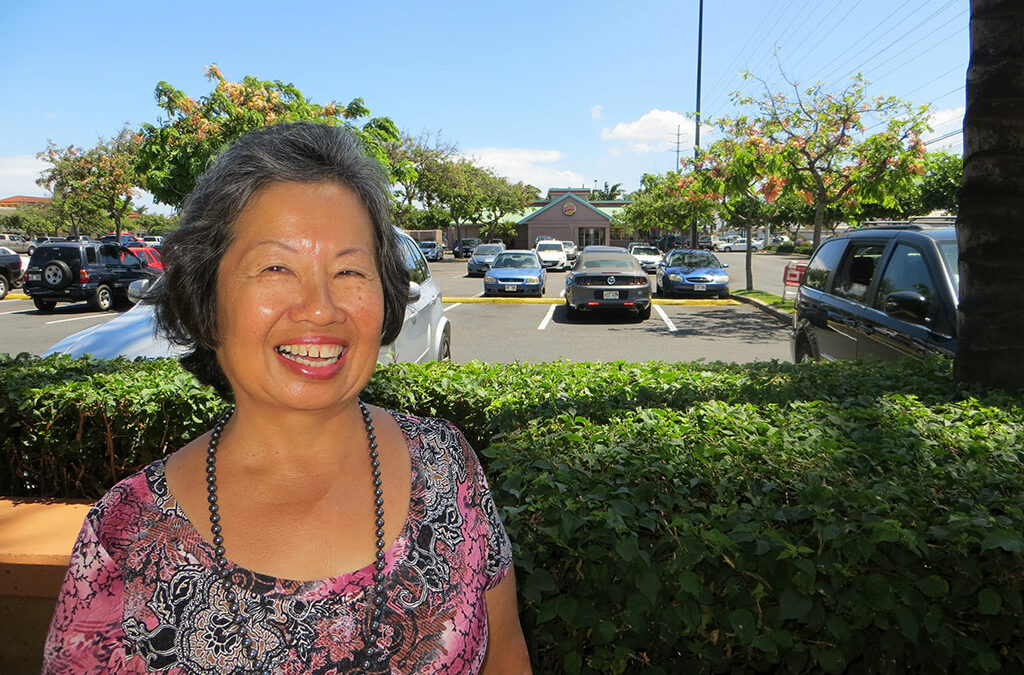
“Math is something you don’t want to rush. You need to learn it step by step, and you have to teach it step by step.” — Ann Arakawa, retired Assistant Math Professor
In her 30-year career as a college math teacher, Ann Arakawa found that students who overcame feeling intimidated by math became successful. “There’s a lot of fear and anxiety out there about math,” said Arakawa, the wife of Mayor Alan Arakawa. “Once they get over the fear, they usually do fine.” Now retired, Mrs. Arakawa spends her time overseeing the family budget and volunteering with the accounting of her husband’s campaign finances. “I love math, and I’m pretty good at it. I also enjoyed teaching math tremendously.”
Asked what advice she would give math teachers, Arakawa encouraged grade-level educators to be patient and engaging. “With the young ones, you need to find a way to make math fun,” she said. “Math is something you don’t need to rush. You need to learn it step by step, and you have to teach it step by step.” She said her college students often expressed regret about not taking math seriously in high school. Many of them expressed interests in a future in computer science and technology but without math skills, they couldn’t move forward. “I tell them half the battle is the motivation and the desire,” she said, “after that you pretty much can accomplish whatever you want.” Arakawa said she’s especially keen on educational initiatives that promote grade and high school science, technology, engineering and math.
Ann Arakawa and her husband, Mayor Alan Arakawa, will be hosting “Are You Smarter than a STEM 5th Grader?” a fun and engaging contest for attendees during the annual Maui Economic Development Board Ke Alahele Education Fund Dinner & Auction on Saturday, Aug. 24 at the Grand Wailea Resort. “I think it’s so important for us to support our youth and the future of our community,” Arakawa said. For more information about the Ke Alahele fundraiser, call MEDB at 875-2300, or visit: medb.org/KeAlahele/overview.cfm
Jul 3, 2013 | Education
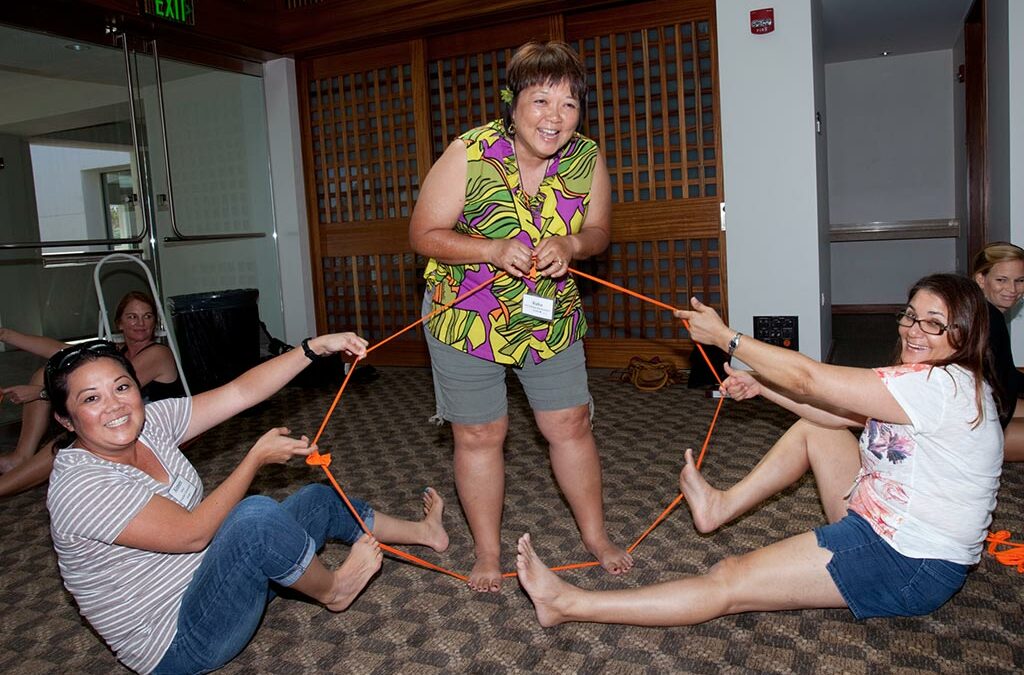
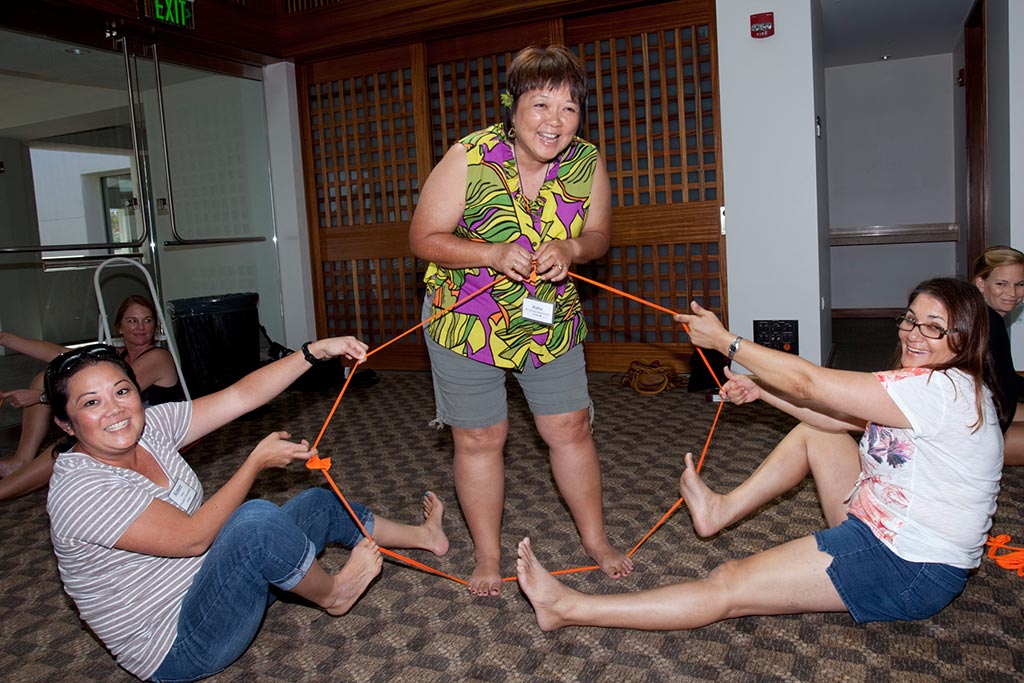 Whether you break out in song, tap toes, snap fingers or hum that tune you can’t seem to get out of your head, music is part of our lives — but can it teach children to add, subtract, multiply and divide? Yes, according to Marcia Daft, the founder and artistic director of “Moving through Math.” At the onset of the summer, Daft shared her theories and offered tips to Maui teachers during the 2013 Summer Institute for Educators at the Maui Arts & Cultural Center. “I found that they are actively seeking and wanting to master innovative teaching techniques that are consistent with the way children actually learn,” Daft said about the institute participants. “Teachers are clearly not afraid to try out new strategies and work to master them.”
MACC Education Director Susana Browne said this was the first year the summer institute tackled integrating math with the arts. In two separate weeks, MACC accommodated approximately 64 educators who teach pre-K to 6th grade. “Teachers were very responsive to this new approach on teaching math fundamentals by delving deep into repeating patterns,” Browne said. “They saw that movement and music are also based on repeating patterns.”
 The teachers said they would incorporate music into their math lesson plans. “The lesson plans helped us to teach for understanding and comprehension – not just memorization,” an early-learning resource teacher said. Another teacher, who has a classroom of 1st graders, said: “The information provided in this workshop is totally going to change how I teach math to my students.” The teachers will take their music-math lessons into their classrooms this fall and then evaluate the impact on students’ understanding and application of math concepts. Daft is a national workshop presenter for the John F. Kennedy Center for the Performing Arts in Washington, D.C. She has presented Maui summer institutes on three occasions and is scheduled to return in September for a follow-up workshop.