Jun 17, 2020 | Community
Like other communities across the country, Maui County and its residents have been affected by the anger, grief and hurt caused by recent events in Minneapolis, Georgia, Louisville and elsewhere, and the resulting civil unrest. ‘The knee on the neck” is an apt metaphor for the anguish and fear that learned hatred and bigotry – sometimes casual, sometimes coded – cause for so many of our fellow citizens.
MEDB joins in condemning the systemic racism evidenced by these events. We stand with those raising their voices, protesting injustices, and demanding constructive change. We cannot achieve social justice when members of our communities are oppressed on the basis of race, gender, or ethnicity.
MEDB is committed to inclusivity, diversity, and the power of education and community engagement, especially for the underrepresented and those who feel disenfranchised. We work towards tackling the inequities that exist in so many aspects of our society.
We see hope for the future in our young people especially, who have articulated their dissatisfaction, here as elsewhere, with the status quo on issues ranging from oppression and social injustice to climate change.
We are truly blessed to live in a place of rich culture, natural beauty and abundance, but we must all acknowledge the importance of inclusion and equity of access for shared prosperity while recognizing our own particular history of past injustice and cultural oppression.
John Harrisson, Program Director, MEDB, and father of two African-American young men
Jun 10, 2020 | Sustainability
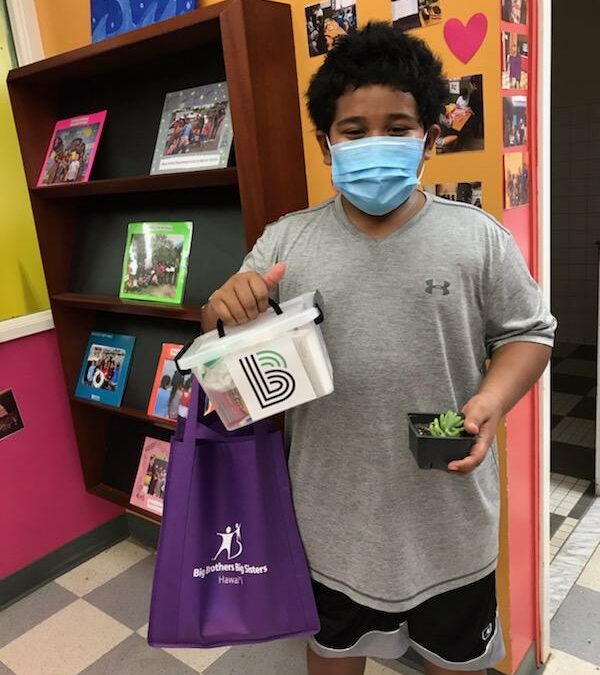
Big Brothers Big Sisters (BBBS), the program that makes a big difference by matching children facing adversity with older role models in one-to-one relationships, is adapting to the COVID-19 pandemic. While bringing people together in person to go out and share activities is their main goal, they cannot do that at this time. BBBS wants everyone to be safe, and to their surprise, their families of matches have embraced the moment and are having lots of fun connecting virtually.
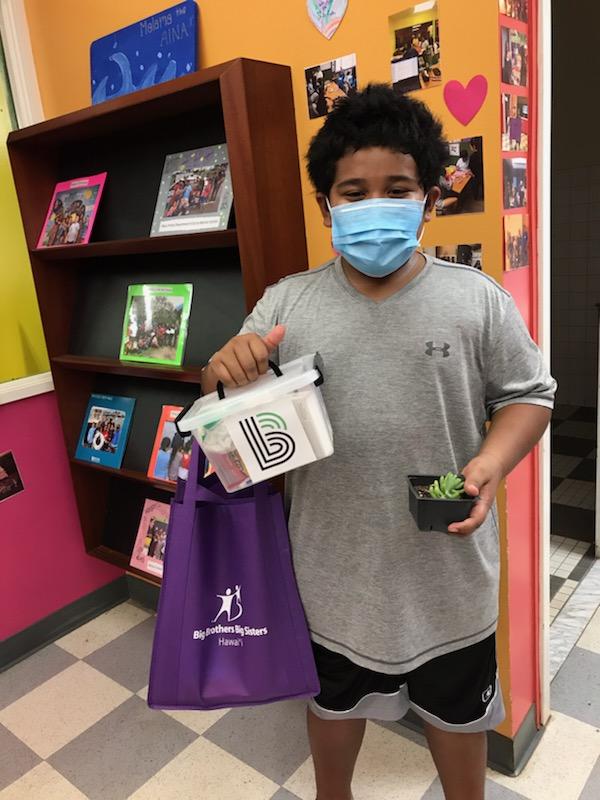
“During this very challenging and uncertain time, our mission remains to build and support one-to-one relationships, and to ignite the biggest possible future for our youth,” said Courtney Ikawa, Maui BBBS Regional Director. “These are really scary times for all of us, but especially for the children. Since the stay-at-home orders were enacted on Maui, the youth have lost access to school meals as well as resources that connected them to the outside world. Our Maui staff, working from home, have innovated our service delivery to ensure the children stay virtually in touch with their BBBS mentors.”
BBBS is serving as a hub for families by directing them to community resources and by providing virtual workshops for both the parents and volunteers. Their one-to-one matches have been meeting through phone calls, video chats, texts, and email. In fact, they have become highly creative, and went on their first virtual matches tour to visit the USS Missouri, the historic battleship anchored at Pearl Harbor.”
“We are still enrolling children and volunteers, and we are continuing to support virtual relationships during this time of social distancing,” Ikawa said. “Our program is an essential service that we must continue to provide because the young people that we serve through this pandemic are likely to bear the heaviest burdens of trauma and economic fallout. Each child and mentor is connected with one of our staff who provides ongoing coaching for the youth, training for the volunteer, and resources for the family. We continually need investment in our mission to ensure our agency remains open, which community members can do in numerous ways.”
BBBS’s youth-centered program helps children to create goals that mentors can help them achieve. For more information visit www.bbbshawaii.org
Courtney Ikawa, Maui BBBS Regional Director
Jun 3, 2020 | Community, Small Business, Sustainability
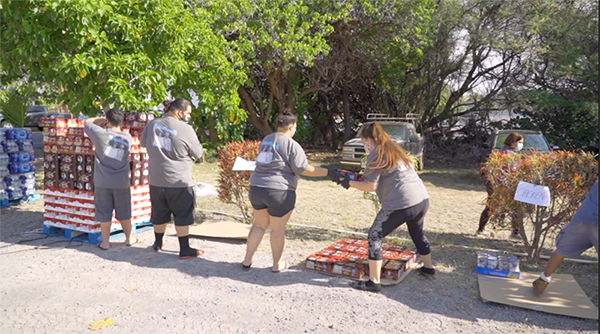
More than 33,000 pounds of food are being distributed by the Maui Food Bank to Moloka‘i residents in need through a $20,000 contribution from the Hawaiian Electric Industries Charitable Foundation (HEICF). HEI is the parent company of Hawaiian Electric, which supplies power to Maui, Moloka‘i, Lāna‘i, O‘ahu and Hawai‘i Island. In March, the HEICF contributed $50,000 to the Hawai‘i Food Bank and pledged another $75,000 to United Way agencies in support of their efforts to assist families in need across the state during the COVID-19 pandemic. The current donation provides additional shipments to supplement Maui Food Bank’s regular monthly delivery of food to Moloka‘i. Once delivered, 19 partner agencies across the island distribute nutritious fresh food to individuals, families, children, and seniors on fixed incomes, those without shelter—anyone who is at risk of going hungry.
“During this coronavirus pandemic with many more in our communities facing hardships, the Maui Food Bank is experiencing a significant increase in requests for food assistance,” said Richard Yust, Executive Director of the Maui Food Bank. “This generous contribution from Hawaiian Electric enables much needed additional pallets of food to be shipped to Moloka‘i where food distributions are being depleted.”
Sharon Suzuki, President of Maui County and Hawai’i Island Utilities for Hawaiian Electric said, “We are grateful for organizations like the Maui Food Bank and the on-island partner agencies for maintaining this critical service throughout these uncertain times. We are all in this together and we want to help alleviate this escalating need for basic necessities in one of the most remote communities we serve.”
“ʻAʻohe hana nui ke alu ʻia! No task is too large when we come together,” said Kilia Purdy-Avelino of Alu Like, Inc., a partner agency on Moloka‘i. “Mahalo to all for working together in unity to aloha Moloka‘i with such generous donations from the Maui Food Bank, Hawaiian Electric and other companies, non-profit organizations, and even individuals. The overwhelming gratitude from the receiving families speaks volumes of what the extra Food Bank deliveries mean to our community.”
We are grateful to all the volunteers and donors helping to distribute food throughout the island to those in need.
Sharon Suzuki, President, Maui County and Hawai’i Island Utilities
May 27, 2020 | Community
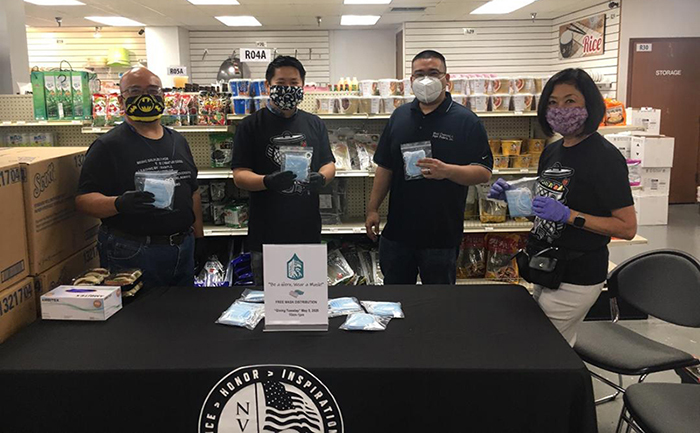
Volunteers with the Nisei Veterans Memorial Center (NVMC) and Maui United Way handed out 8,000 face masks during their GivingTuesday “Be a Hero, Wear a Mask” campaign. GivingTuesday, a global generosity movement, launched GivingTuesdayNow in response to the COVID-19 pandemic. “I appreciate the effort to prevent the spread of COVID-19 in our community,” said Mayor Michael Victorino. “Our success in leveling the curve comes from members of our community working together to keep each other healthy, especially our vulnerable kupuna. Mahalo to the NVMC and Maui United Way for helping to keep Maui strong.”
The masks are part of Every1neHawaii’s Masks4All campaign. The Honolulu nonprofit successfully brought in 2 million masks, disbursing them to all islands across the State. The goal was to make the face masks available at no charge to those most in need. Free face mask distribution sites included TJs Grocery Outlet, Island Grocery Depot (Kahului and Lahaina) and Pukalani Superette. Mask giveaways were also donated to Hale Makua and Valley Isle Federal Credit Union. Giveaway volunteers included Mayor Victorino, professional surfers Kai Lenny and Ian Walsh, and members of the Maui delegation from the Hawaii State Legislature.
“This was indeed a community effort, and we are thankful to Every1neHawaii for the masks and for the support we received from all of our partners to ensure the masks got to the community,” said Deidre Tegarden, Executive Director of the Nisei Veterans Memorial Center. “We initially received 160,000 masks, which we were able to distribute through Maui United Way and other local nonprofit partners. We could not have distributed the masks so quickly if it were not for the amazing team at Maui United Way, who continually work to address Maui’s most vital needs through the impact areas of education, economic sustainability, and health.”
Tegarden added, “The NVMC, whose mission is to ignite human potential by inspiring people to find the hero in themselves, and Maui United Way joined as partners to address the pandemic and inspire people to give, advocate, and volunteer. Stay well. Follow the standard tips for safety. We will get through this together!”
The goal of NVMC and Maui United Way is to bring our community together around a common cause, such as aiding those in need during this pandemic.
Deidre Tegarden, NVMC Executive Director
May 27, 2020 | Small Business
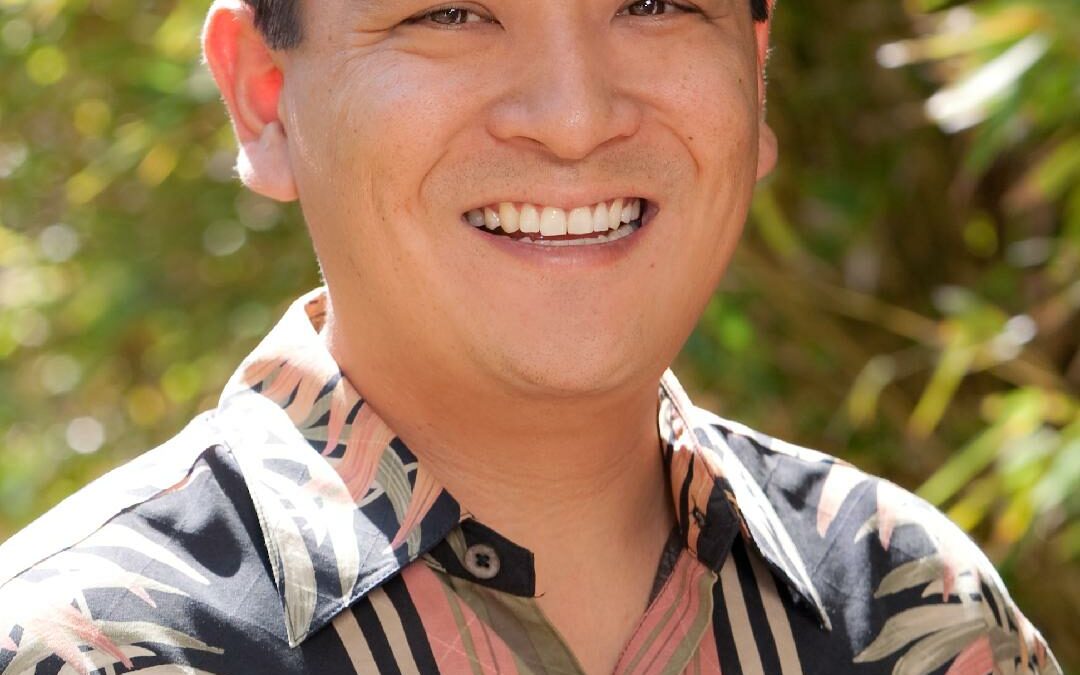
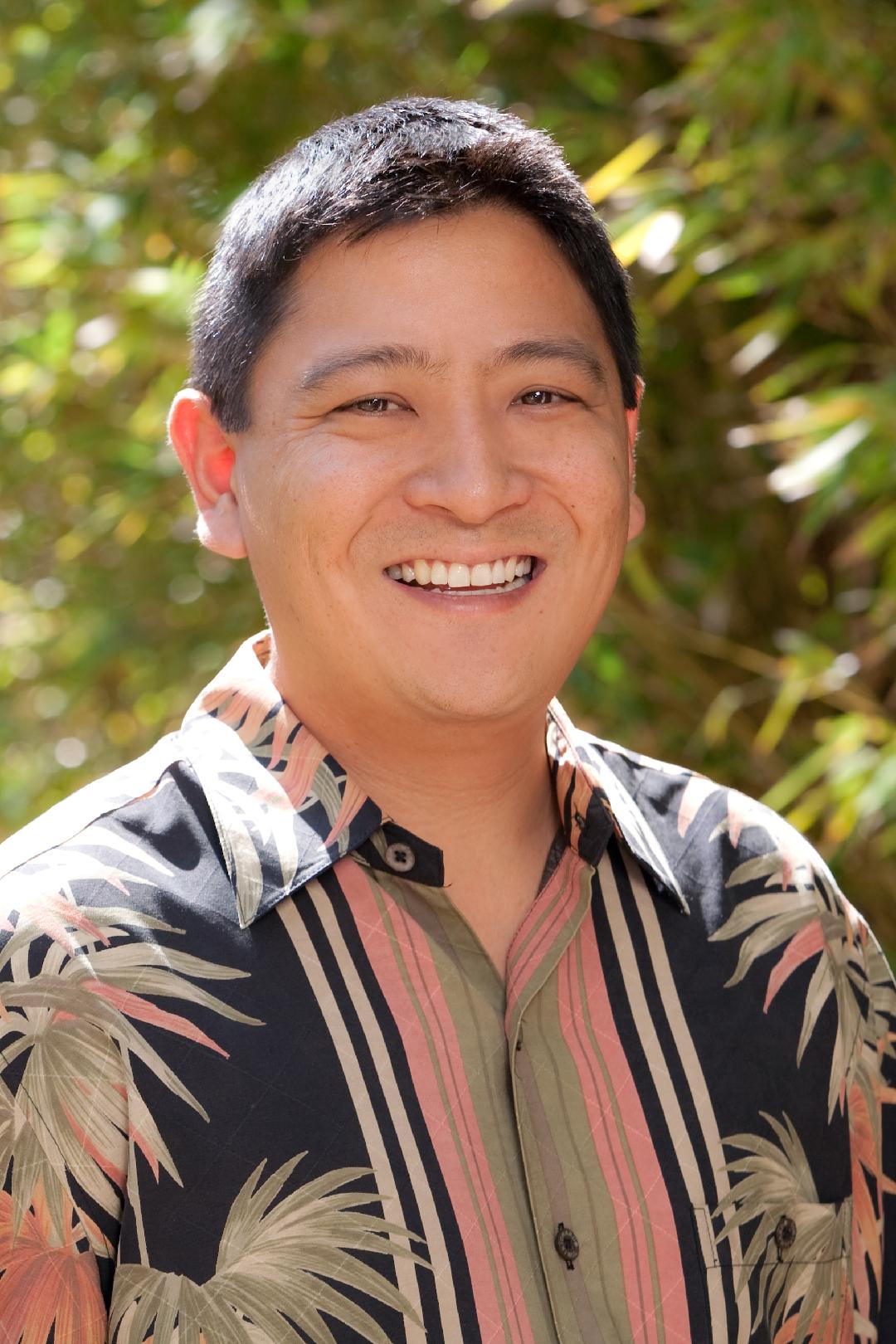 Robert Kawahara, from one of Maui’s largest CPA firms, Kawahara + Hu LLP CPAs, strongly believes in giving back to the community. He has presented workshops on Tax Strategies for Small Business at previous Hawaii Small Business Conferences presented by Maui Economic Development Board and supported by the County of Maui Office of Economic Development. This year the conference was cancelled; however, Kawahara is offering a newsletter with information and strategies for small businesses in the community.
Kawahara explained, “COVID-19 has caused an unprecedented strain on our healthcare and economic infrastructure. Our federal and local governments responded with stay-at-home restrictions and significant economic stimulus. While uncertainty makes it difficult to describe a future outcome—causing anxiety in all of us—our role as CPAs is to provide some certainty to our clients so that they may make informed decisions.”
At the beginning of the pandemic, Kawahara quickly realized that his company needed to communicate effectively with clients, so they created an email newsletter. The newsletter has helped cut down on the number of calls from clients which were relatively similar in nature. Kawahara stated, “The newsletter makes the calls quicker and more to the point since the clients have a better understanding to start with. Right now, all CPAs should be doing tax returns. However, with the new economic stimulus we have been forced into learning a whole new law that affects every individual and business, while still needing to provide guidance. Our roles as CPAs have not changed because of the pandemic, only the sense of urgency for answers. Our role should still be viewed as strategic advisors and decision-makers who assist in making informed decisions.”
Kawahara advises clients to read as much as possible and then email their CPA questions in a yes-or-no format. He added, “Have patience in waiting for responses. Most importantly, realize that CPAs may not have all the answers. Guidance is changing literally by the hour. Our resources are stretched to the limit in addressing the economic stimulus. We appreciate your understanding and offer our newsletter at www.mauicpa.net.”
During this difficult time, most businesses will find relief and support from the SBA Economic Injury Disaster Loan, SBA Paycheck Protection Program, and Employee Retention Tax Credit and State of Hawaii Unemployment.
Robert Kawahara, Kawahara + Hu LLP CPA
May 20, 2020 | Community
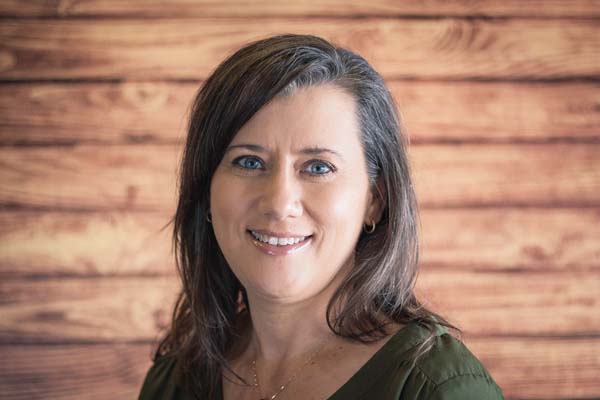
Monique Yamashita, Executive Director of Ka Hale A Ke Ola (KHAKO) Homeless Resource Centers, Inc., has over 15 years of social service experience in Maui County. Currently, as executive director of two homeless shelters, one in Wailuku and one in Lahaina, she has developed emergency COVID-19 protocols to ensure the safety of the clients and staff. “We are committed to doing what is best to protect our guests, tenants, staff, and vendors, and to do our part to prevent the transmission of the virus,” Yamashita said. “The County of Maui recently delivered tests for us to administer to provide reassurance of wellness in both of our facilities. In addition, we are so thankful for amazing friends in our community who have blessed us with handmade and disposable face masks and shields.”
Dedicated to serving the needs of the homeless and hungry on Maui, KHAKO has been providing emergency food and housing for over 30 years. They empower those in need to take responsibility for their own lives and they call on the community to assist in these actions. Yamashita reflected, “We are truly blessed with great community partners. Our approach goes beyond providing basic shelter and sustenance for homeless persons. Through a series of structured programs and services, we focus on instilling the skills, knowledge and experience necessary to support self-sufficiency and promote positive, healthy life choices.”
With all of the COVID-19 concerns, KHAKO is still in operation, bringing in new families and individuals who are experiencing homelessness as well as working with current clients to assist them with obtaining permanent housing. “While the world may be at a standstill, life carries on at our shelters and we are still working to end the cycle of homelessness,” said Yamashita. “On any given day, the KHAKO staff works to create stability in lives and to ensure success in permanent housing. There is already a lot of pressure for the clients, and COVID-19 is not making things easier, but we will continue to assist those in need.”
I do this work because everyone deserves a dignified and healthy quality of life. Poverty is cruel and no one should be without a home because of it.
Monique Yamashita, Executive Director, KHAKO Homeless Resource Centers, Inc.

May 13, 2020 | Community, Education
As we enter graduation season, MEDB congratulates and commends all our Maui County graduates for your hard work and achievement.
We wish you a bright and prosperous future!
May 6, 2020 | Community
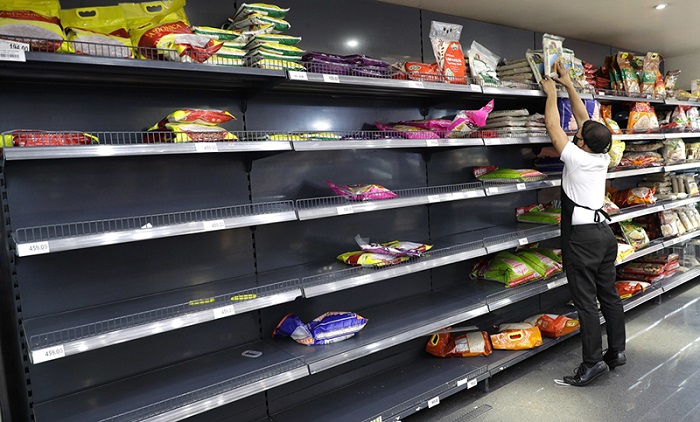
The essential community workers that we see every day have become our lifelines throughout the COVID-19 pandemic. They are our heroes. Possibly those working in supermarkets and other large retail corporations are the only other people we might talk to in person all day or all week. Their jobs have grown to include smiling while politely assisting and defraying the island’s tensions. Now among the island’s most crucial personnel, retail workers as well as other everyday essential workers, are exposed to new dangers. For example, cleaning of stores and check-out stands has ramped up. Store hours have changed to protect workers and customers, including additional hours for seniors to shop, increased closure hours for deep cleaning each night, and more.
Photo Credit: AP Photo/Aaron Favila
One supermarket store manager said, “In emergencies like this, we hear a lot about the first responders and those on the front lines. That’s important, and in this case doctors, nurses, firefighters, and everyone else working in that realm of healthcare deserve much honor. But what about the people working in the supermarkets, restaurants, and elsewhere — those handling the pandemonium — with our mad dash for most everything on the shelves?”
Upcountry resident Taryn Feliciano agreed, “From the cashiers, to the meat and fish department workers, and those stocking the shelves, they are all brave souls along with anybody else working in the public while most people stay at home. From replenishing supplies to answering questions, the calm that they exhibit every day in the supermarkets and other open establishments is reflected in the island shoppers, who on the whole remain pretty neighborly.”
Grocery workers, in particular, have also become the front- line during the health crisis─ interacting with potentially hundreds of people every day. They are risking infection every time they come within a few feet of a customer. Of all essential employees, along with the medical profession, the ones who bag groceries at the store, handle cash, give directions to needed products, and restock shelves all day long, are the ones with the most contact. These positions now assume increased risk for these service providers. Still, they remain steadfastly committed to the vital service they are providing to each of us.
Thanks to all those in our community who are continuously providing help and services to everyone.
MEDB Staff
Apr 29, 2020 | Education, Stemworks
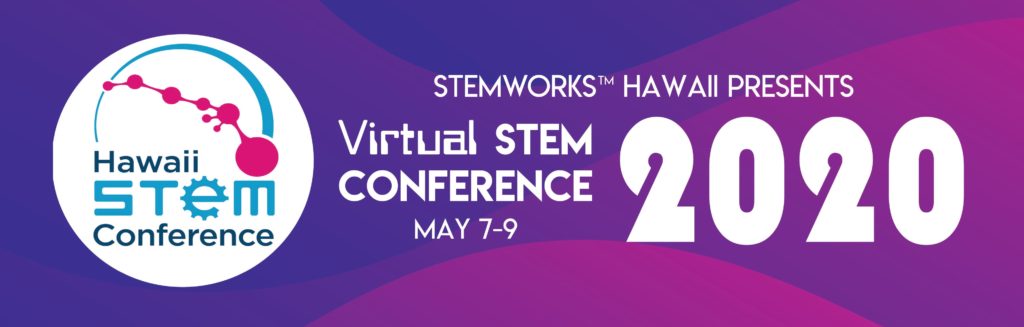
Every year, teachers, industry professionals, and hundreds of students from across the state converge at the Hawaii Convention Center to participate in an elaborate celebration of all things STEM (science, technology, engineering, mathematics). The conference is sponsored by the Maui Economic Development Board (MEDB) STEMworks™ program. However, the 2020 Hawaii STEM Conference live event was cancelled in light of the COVID-19 pandemic, like so many other events in the community.
“In the days following the cancellation, teachers and students expressed their disappointment at missing this opportunity for professional development and engagement with industry leaders,” said Katie Taladay, STEMworks™ Program Manager. “The STEMworks team began compiling opportunities to bring highlights from the annual meeting to life virtually. Therefore, on May 7-9, for the first time ever, the Hawaii STEM Conference will be moving to an online platform using a combination of live Zoom sessions and recorded videos.”
Students, teachers, and industry professionals from across Maui and the state will have the opportunity to participate in a keynote talk from Microsoft, live training sessions on Artificial Intelligence, Geospatial Information Systems, and more. There will also be a STEM Industry Playground Video Library to learn about workplace needs and opportunities, live Stemmy Awards for competition winners, and a two-day Virtual Hackathon in partnership with BizzyB and Malama Maunalua.
The fast-paced Hackathon is an Oyster Cage Design Challenge, where students will learn about Malama Maunalua’s mission to help improve water quality in their ahupuaa by growing oysters to filter out water pollutants. Teams of 3-5 students will meet in virtual breakout rooms under the guidance of mentors to research and discuss their oyster cage design. Using the BizzyB platform to take their product from idea to market, students will pitch their product in a virtual showcase event to a team of judges. The top three winners plus all participants will receive Microsoft gifts. In addition, the first-place winners will have the opportunity to prototype and test their design in real life. Taladay added, “The conference is free to STEMworks teachers, mentors, and students. For students without access to a device, STEMworks will make iPads available through our Lending Library.”
Our first virtual conference will support collaborations and mentorships among students and the STEM community, even after the conference ends.
Katie Taladay, STEMworks™ Program Manager
Apr 22, 2020 | Innovation
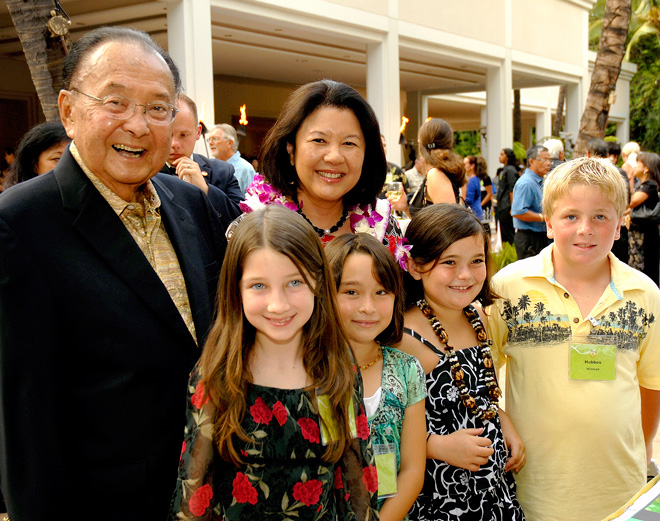
Maui Economic Development Board (MEDB) has lost a dear friend and dedicated STEMworks™ supporter with the passing of Irene Hirano Inouye, widow of the late United States Senator Daniel Inouye. Hirano Inouye was a nationally recognized leader in the nonprofit sector, with more than 35 years’ experience in nonprofit administration, community education, and public affairs. Her national reputation has been built on a record of vision, collaboration, and accomplishment, as well as an unyielding commitment to the values of fairness and individual opportunity.
Leslie Wilkins, MEDB President and CEO reflected, “In 2013, MEDB, with the endorsement of Hirano Inouye, established the Daniel K. Inouye (DKI) Innovation Award to honor the late Senator’s vision for Maui as an innovation center for the latest scientific and technological advances. She recognized the critical nature of MEDB’s work throughout its history to enhance education and training in our community.”
In past years, the senator and his wife headlined MEDB’s annual Ke Alahele Education Fund dinner, with proceeds used to support and administer MEDB-led STEM (science, technology, engineering, mathematics) educational programs and to provide grants for STEM initiatives. “The DKI Award is presented to a Maui County project team that demonstrates the most innovative use of STEM tools and capabilities to serve and improve our community,” said Wilkins. “The Award is open to all Maui County students in grades 6-12 who submit a project that has a practical function and value to the community.”
Hirano Inouye received the Global Ambassador Award from the Price School for best representing the mission and expertise of the school in a global setting. She served as president of the Washington D.C.-based United States-Japan Council, which enhances relations between the two countries through people-to-people connections. In addition, Hirano Inouye has been recognized for her outstanding leadership as the former CEO and President of the Japanese American National Museum in Los Angeles, and her service with prominent philanthropic and nonprofit boards across the country, including the Ford Foundation, The Kresge Foundation, the Smithsonian Institution, and the President’s Committee on the Arts & Humanities, among others.
Hirano Inouye was involved in nonprofit work early in her career, serving for 13 years with a clinic for low- and moderate-income women and families. She was a gracious humanitarian!
Leslie Wilkins, MEDB President & CEO