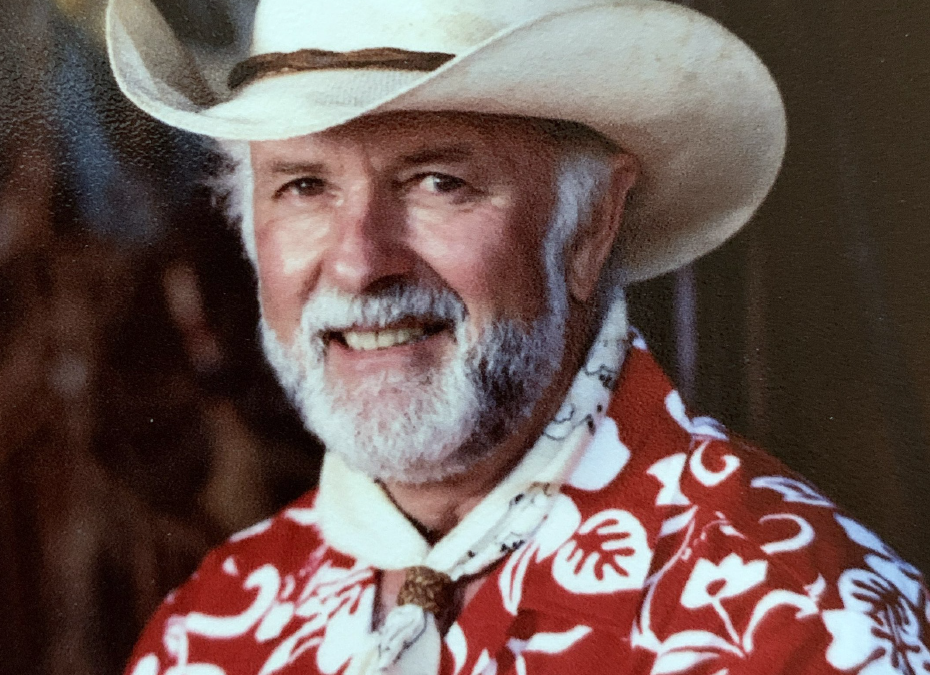
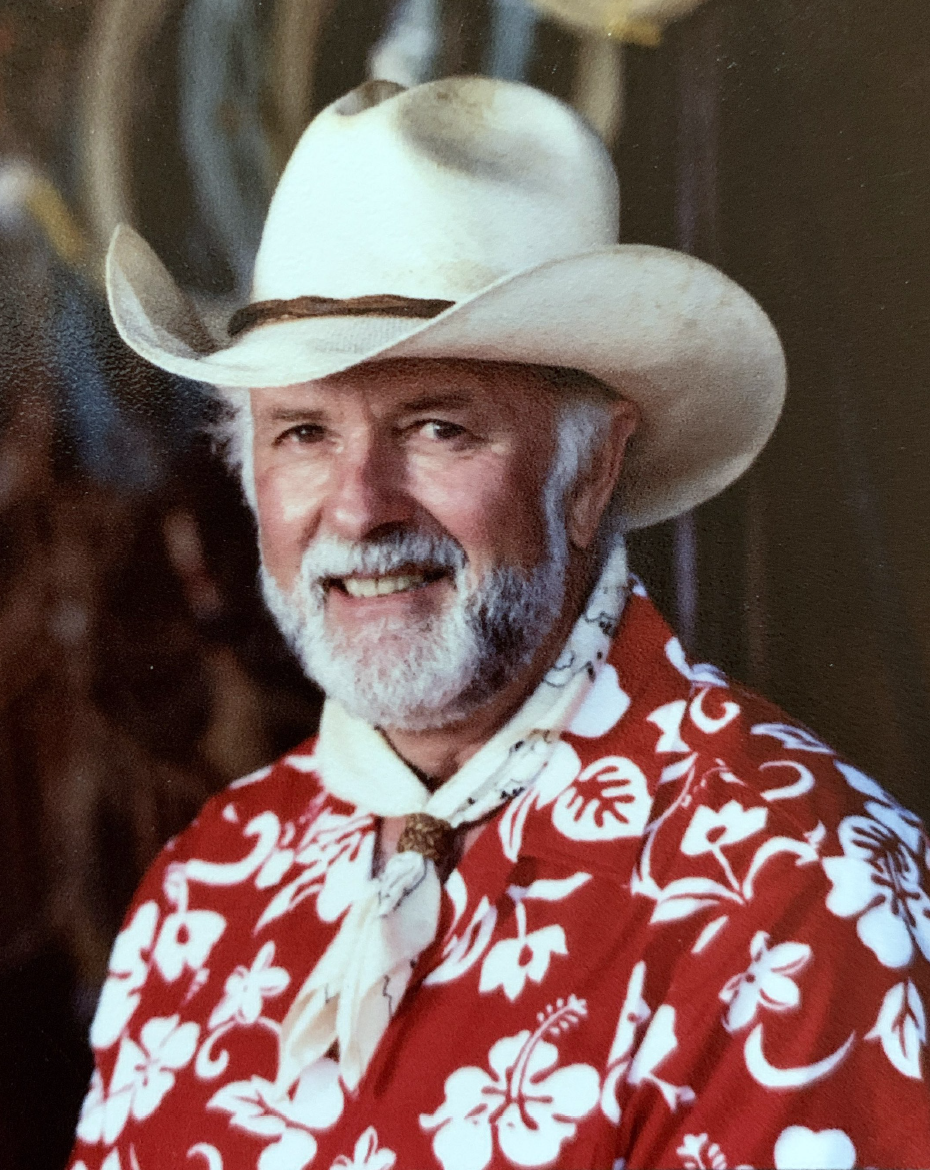
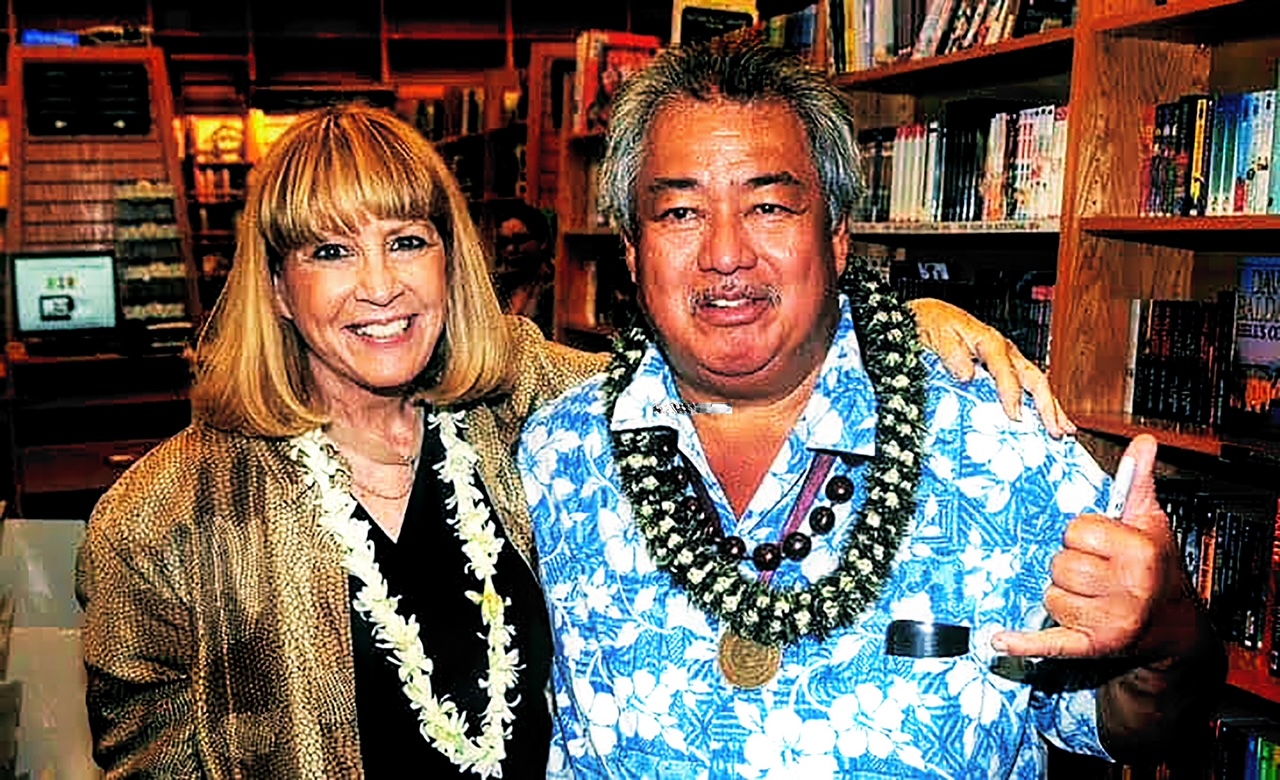
Maui lost one of its true characters and treasures this last June with the passing away of Peter Damon Baldwin. A scion of the longtime Maui Baldwin family, Peter was the fourth generation to head Haleakala Ranch and Dairy, and was actively involved in community and business leadership throughout his life.
In addition to his credentials as rancher – Peter was inducted into the Paniolo Hall of Fame — Peter was a family man, inveterate prankster, and consummate athlete. In his younger years he was a standout high school athlete in baseball, basketball and tennis, and at university his Cornell polo team won the Collegiate National title. He represented the U.S. in polo, won numerous national tournaments, and his Maui polo teams were a dominant force in the sport. Another passion was roping and rodeo, dating from his All-Round Cowboy title at the Makawao Rodeo in 1968 and competing in the Calgary Stampede. Peter even won the annual Maui Golf Championship four years a row in the 1960s.
The community contribution of which he was most proud was founding the Maui Youth Soccer Organization (MYSO) in 1976, the first organized soccer league on Maui. His Haleakala Dairy sponsored its inaugural year, providing uniforms and equipment for 600 youth participants. Soccer on Maui has never looked back. The Dairy also sponsored a week-long football camp for hundreds of keiki in the early 70s that featured Roman Gabriel, Merlin Olsen and several members of the LA Rams.
Another of his community accomplishments was a to lead the fundraising campaign for the J. Walter Cameron Center in Wailuku. As a savvy and successful businessman, Peter held numerous company directorships, including Bank of Hawaii, Hawaiian Airlines, and Maui Land and Pine. He was also involved in developing the Kihei Safeway center, Piilani Villages, and the Maui Tech Park in Kihei. Peter was an expert delegator – he liked to say that his guiding principle was to hire people who were better than him and knew more than he did.
Makalapua Waring, the wife of Peter’s right-hand man at Haleakala Dairy, Dick Waring, sums Peter up best: “Peter treats everyone the same way. He’s been one of the good guys – he’s done so much for so many for so long.”
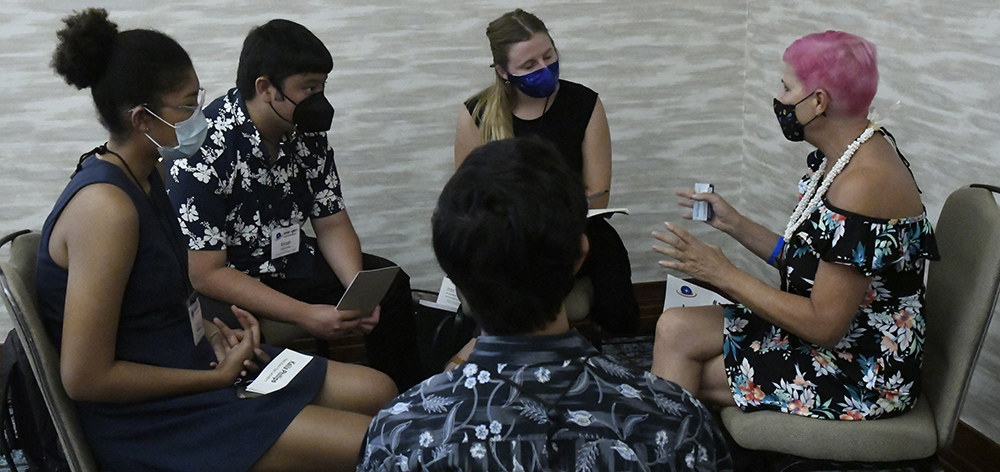
Hawaii residents contributed to key space-related discussions at the 4th annual EMER-GEN Conference. This year’s program, presented by the Maui Economic Development Board (MEDB) was the first hybrid event, with both in-person and livestream components. A joint initiative of the Advanced Maui Optical and Space Surveillance Technologies Conference and the Space Generation Advisory Council (SGAC), the EMER-GEN experience offered mentoring, networking, professional development sessions and scholarships for university students and young professionals, ages 18-35.
“MEDB was honored to be a platform for dialogue for the 2021 EMER-GEN cohort,” said Leslie Wilkins, MEDB President and CEO. “This experience provides a significant pathway into future careers.” The 2021 program was filled with critical-thinking exercises, including three pre-event webinars fostering innovation and entrepreneurship among the cohort. They were also challenged to solve problems through a hack-a-thon and consensus-building session to help create new opportunities for space-based technologies.
Along with MEDB, three young professionals helped shape the program. Two representatives nominated by SGAC, Quentin Verspieren, Space Policy Researcher with the University of Tokyo, and Christine Dubbert, a Project Engineer with York Space Systems, were joined by Maui resident Micah Nishimoto, an undergraduate student of Aerospace Engineering at the University of Southern California.
“I was humbled to be part of the organizing team,” said Nishimoto. “EMER-GEN is a great opportunity to learn about space engineering, space policy, diversity, equity, and inclusion. Our guest speakers, Ramsay Taum, Life Enhancement Institute of the Pacific, LLC, and Dave Baiocchi, Imaginative Futures, tied all of these important topics to native Hawaiian culture and values.”
Katlynn Vicuna, UH Hawaii Space Flight Laboratory, added, “I enjoyed the interactions among the diverse cohort, and applaud the mentor session. Presently, I am not sure which career path I want to follow. It truly helped to talk to mentors from academia, military, and industry.
Mentor Tom Kubancik, Trusted Space, Inc., said, “EMER-GEN is important. Each year the program enriches the cohort’s effectiveness to work in a global environment. Our industry is strengthened when we are inclusive and incorporate the ideas of every age group and nationality. This cohort is bright and smart. I learned a lot from them!”
MEDB has successfully evolved the EMER-GEN program over the years. They keep it fresh while staying true to its roots in terms of development of the young intelligent people in our industry.
Tom Kubancik, EMER-GEN Mentor, Trusted Space, Inc.
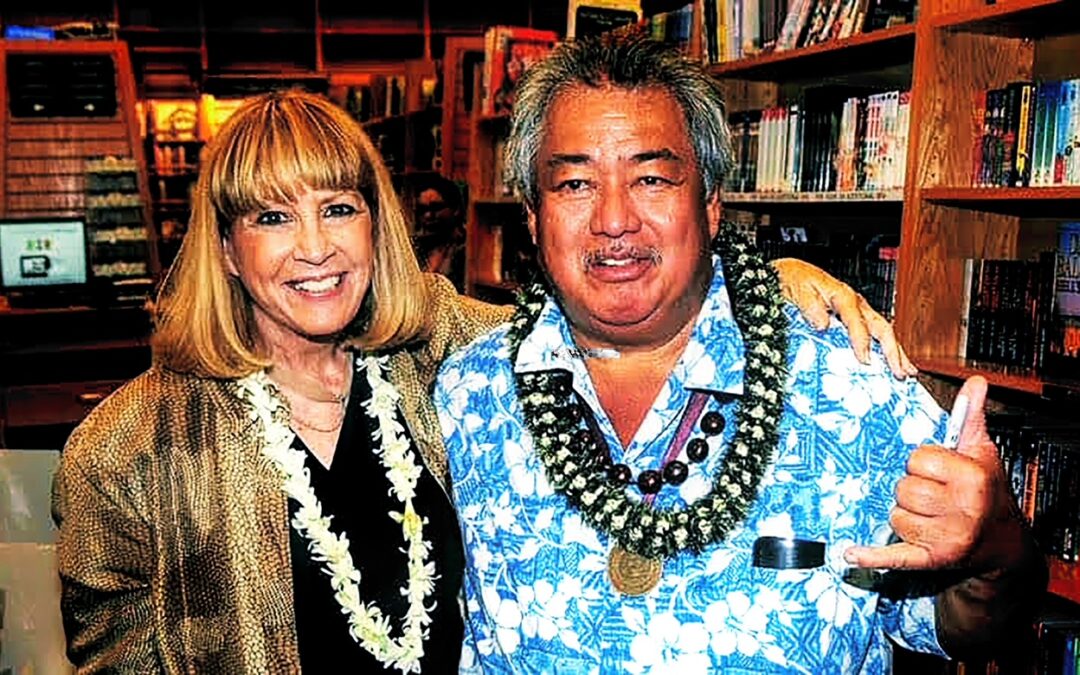
A pair of Maui musicians, five-time Grammy Award winner George Kahumoku Jr. and KAOI radio host Cindy Paulos, a UNESCO Cross-Cultural and Peace Crafters Award winner, teamed with musician and filmmaker Rupam Sarmah to produce a special CD release titled Aum─Aloha Blessings. Kahumoku said, “Throughout the CD the aloha chant connects our ha (breath) with the aina (land) and the kai (ocean) creating lokahi (harmony) and peace between man, the creatures of the earth, the plants, and the fruits and vegetables that sustain us.”
Using music for uplifting, redirecting, and reflecting the emotions is vital to improve wellbeing during these challenging times. “The stress of Covid made me turn to the creative side within me to find something positive to do to counter the flood of bad news and fear that was present in the news,” said Paulos. “It felt so good creating this project in a time of such need. The results are direct and immediate.”
The new release, Aum─Aloha Blessings, is available in stereo and Dolby Atmos® on iTunes, Amazon, Spotify, Tidal, and other platforms. It has 154 minutes of eight tracks plus an additional eight instrumental tracks for meditation. “The divine sound is music for the soul,” Kahumoku emphasized. “The chanting and healing energies from around the world are over 7000 years old.”
Aum─Aloha Blessingswas inspired by Sarmah’s visit to Maui when he showed his film One LittleFinger at the McCoy theater. His feature film made history with a cast of over eighty persons with disabilities. “One Little Finger is not just a film,” said Kahumoku. “It’s a movement to promote inclusion and diversity to break the barriers of stigma in disability. I worked on the project long-distance during the pandemic with over 100 musicians to create the blending of Indian music with Hawaiian chant and spoken-word invocation.”
Sarmah reflected, “The aloha tradition combined with ancient mantras produces forward-thinking creations of sound. The music compositions will help in meditation, yoga, and healing our minds, with proceeds going to the nonprofit One Little Finger Global Foundation. Our work reflects the message of oneness, peace, and aloha.”
We get to know each other through music. It brings joy amid the pandemic and it is a wonderful way to connect us.
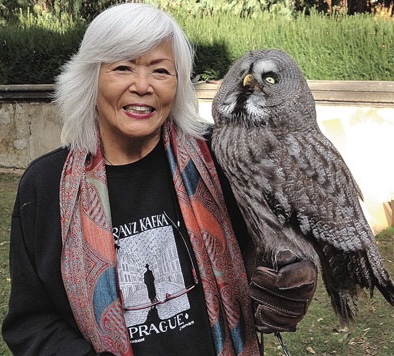
Maui resident Rinko Jeffers, a recipient of the Nihon Bunka Award in 2019, is a gifted haiku master poet. The Award recognizes individuals for their excellence and contributions to the Japanese arts and culture and for their unselfish willingness to share their talents with the community Jeffers aloha and knowledge have been key to her success in bringing the joy of haiku to so many poets writing in Japanese and English alike. In 1996, following her 14-year employment with the United Nations in Japan and Africa, Jeffers co-established the Maui Hototogisu Haiku-kai Club, which she continues to lead. In 2009, she started the Maui Haiku Poetry in English Club. Chancellor of UH, Emeritus, Dr. Clyde Sakamoto, is the honorable resident of both haiku groups.
To Jeffers, enjoying life with haiku is to consciously appreciate the energy in our natural environment. Haiku poetry, a type of short-form poetry originally from Japan, consists of three lines, with five syllables in the first line, seven in the second, and five in the third. It is a unique form of art between the author and the readers.
“A haiku verse must be written about something that caught the author’s attention for a flash of a second, something that nature presents,” Jeffers explained. “The moon, the flowers, the birds, the wind, and mundane human activities are all there, all the time, around us. But at odd moments, something may hit us unexpectedly, leading us to an aha! moment, a re-recognition of self. To evoke such deep feelings is the essence of haiku writing, and we share that moment. It is a condensed form of a conversation between human souls, between the author and the readers, similar to the effect of emoji.”
Jeffers, a volunteer at the Maui Friends of the Library, also provides introductory haiku classes to third and fourth grade students at Paia, Waihee and Lihikai Elementary Schools. She reflected, “Sometimes, by invitation of the teachers, I introduce haiku to the children in their class as a community service. The students seem to enjoy trying to write haiku. They realize they too are great poets. I have received many thank-you letters from them.”
To write haiku, we just keep on trying to catch the moment and keep practicing, writing with our own language in this short and poetic form.
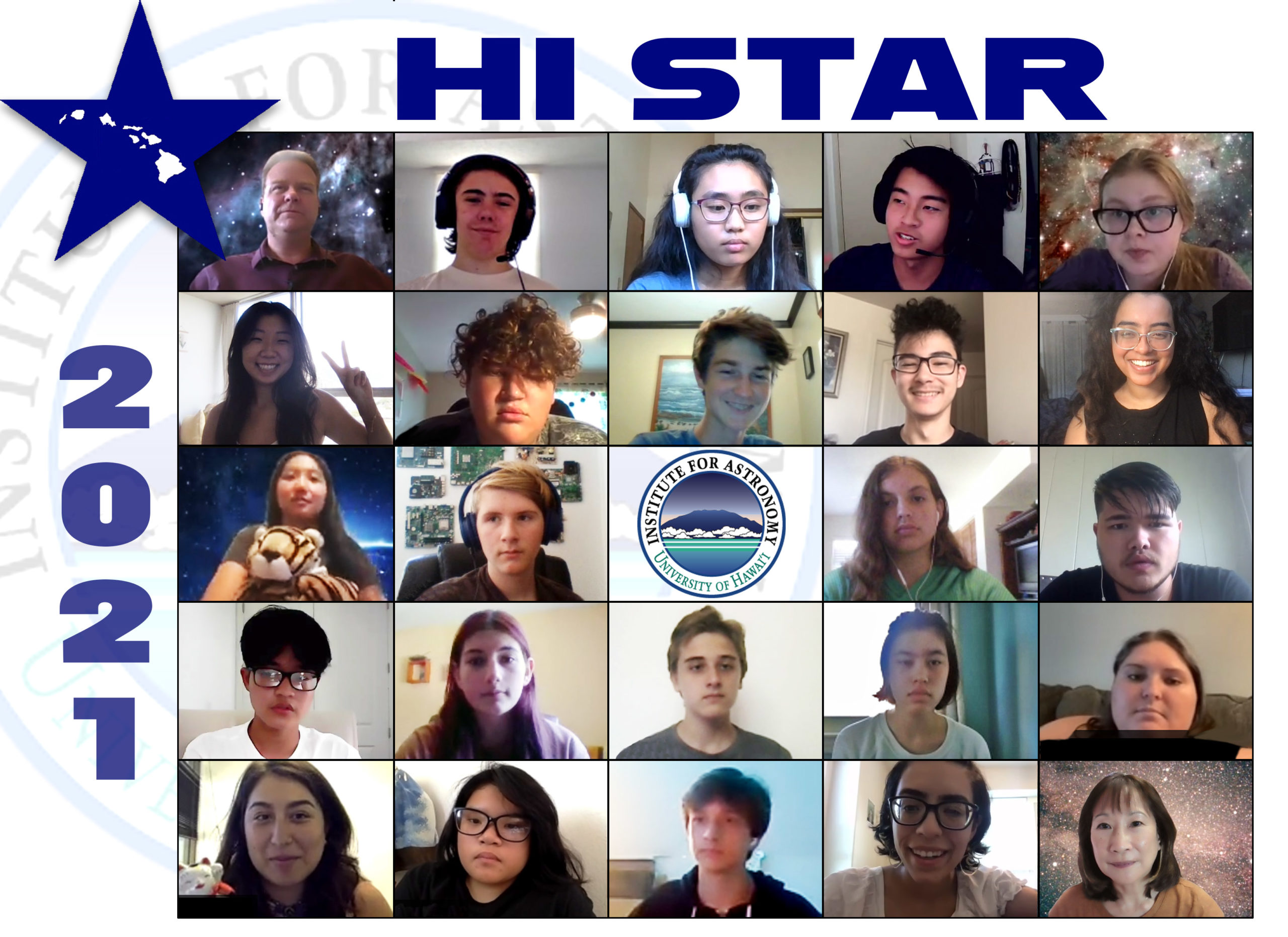
Today in Hawaii, science-minded students, like the ancient celestial navigators, look to the sky to understand what is going on in the cosmos. For over a decade, the University of Hawaii Institute for Astronomy’s (IfA) Hawaii Student Teacher Astronomy Research (HI STAR) program has attracted middle and high school students from across the state. Led by Dr. James “JD” Armstrong, IfA Maui Technology Education and Outreach Specialist, HI STAR introduces students to the basic practices of science – exploring, going out and discovering new things, and adding to humanity’s understanding of the universe.
Despite the pandemic, Dr. Armstrong and his team, interacting through online Zoom meetings, were able to run the 2021 HI STAR program. An advantage to holding the program online was that researchers from around the world were able to give instruction in their areas of expertise. While the group missed meeting together, the program was a great success.
“A highlight of my job is mentoring students and assisting them with their science projects,” said Armstrong. “Using Astrometrica, a software tool that calculates precise positions of the celestial bodies, students can remotely observe the sky as it is seen from different parts of the earth. They can analyze collected image data, as well as watch an asteroid make a fly-by of the earth. Fourteen students attended and worked on projects ranging from solar rotation to active galactic nuclei.”
One student reflected, “The HI STAR program felt like somewhere I truly belonged. It was a pleasure meeting new people that had my same interests and discovering extraordinary objects in space together. Dr. Armstrong helped me with sorting out how the physics works which brought me a step closer to my dream of becoming a professional astronomer. I am so thankful for this opportunity!”
Another student added, “Dr. Armstrong has encouraged my interest in hypervelocity stars; stars thought to originate when a binary system encounters the supermassive black holes in our Milky Way. He has motivated me to better understand the age and classification of these stars and has given me the confidence to think that I could actually discover something new about the universe!”
Since the end of the 2021 HI STAR session, several of the students have received high honors at science fairs and their work has been in the press.
Dr. JD Armstrong, UH IfA Technology Education and Outreach Specialist
Since 1996, Hawaii Wildlife Fund (HWF) has actively protected native wildlife. The nonprofit is dedicated to the conservation of Hawaii’s marine wildlife including monk seals, turtles, and dolphins, as well as cleaning the marine debris off our beaches. “Our mission is to engage communities and volunteers in educational outreach, marine debris removal, conservation, research and advocacy,” said Hannah Bernard, HWF Executive Director. “We believe that restoring the health of our natural world is essential.”
Currently, the main focus of HWF is on coastal and marine wildlife species such as the hawksbill sea turtle (honu’ea) and the Hawaiian green sea turtle (honu). “We are passionate about protecting our beloved honu and honu’ea,” Bernard explained. “All monitoring and excavation activities are carried out by trained HWF biologists and volunteers operating under endangered species permits with state and federal agency partners. We encourage those who want to help with our work to let us train them to do it properly. Going strong for over 20 years, we have protected more than 10,300 hatchlings and the reward never gets old!”
Throughout the years, HWF staff and volunteers have hauled over 360 tons of debris off beaches and surrounding coastline, including fishing nets so heavy that they needed a winch placed on a truck to lug the material from the shore. Bernard noted, “The plastic in the ocean is a global threat to the health of our oceans. Our main concern is that beaches be safe for both our community and wildlife. We can do something about plastics by reducing our consumption of plastic products, recycling and disposing them in landfills.”
During the Covid pandemic, HWFs environmental education mentors worked hard to convert all their hands-on youth programs to virtual platforms. Funded by a NOAA grant, they introduced topics such as Hawaiian coastal ecosystems, biology, and marine debris impact and solutions. Bernard said, “Teaching our next generation to protect our environment is vital. Students often find new ways to make a difference. Our education programs are available free to all community members. We need unified island communities that really want to help protect Hawaii’s wildlife.”
By volunteering, interning, and donating, the community can help keep Hawaii’s wildlife free and healthy for generations to come.
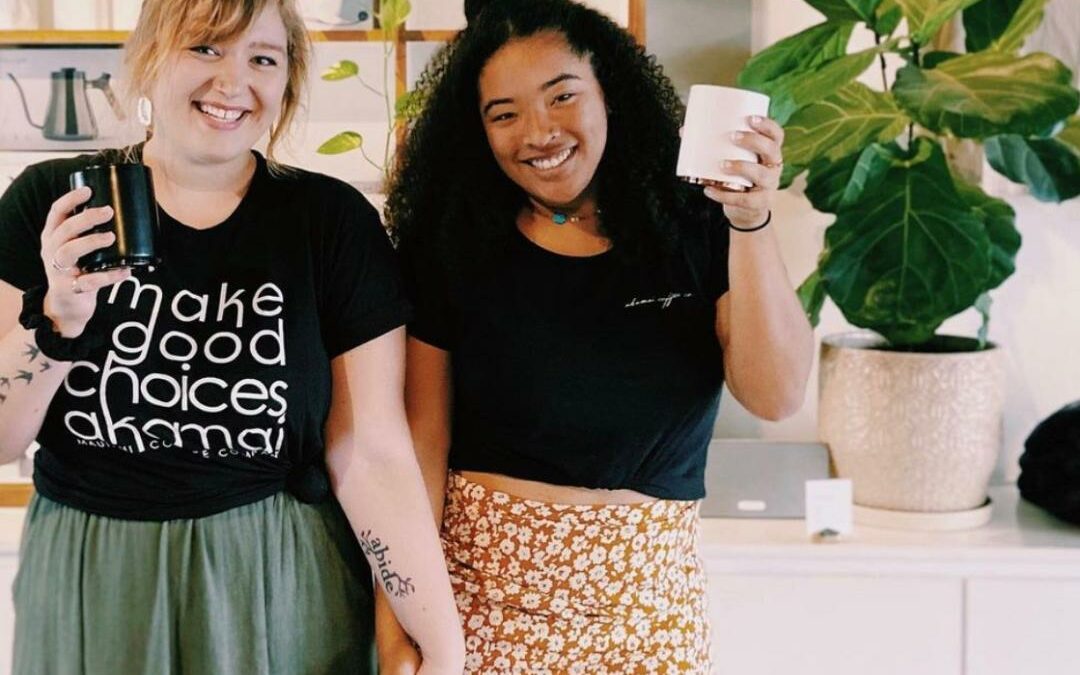
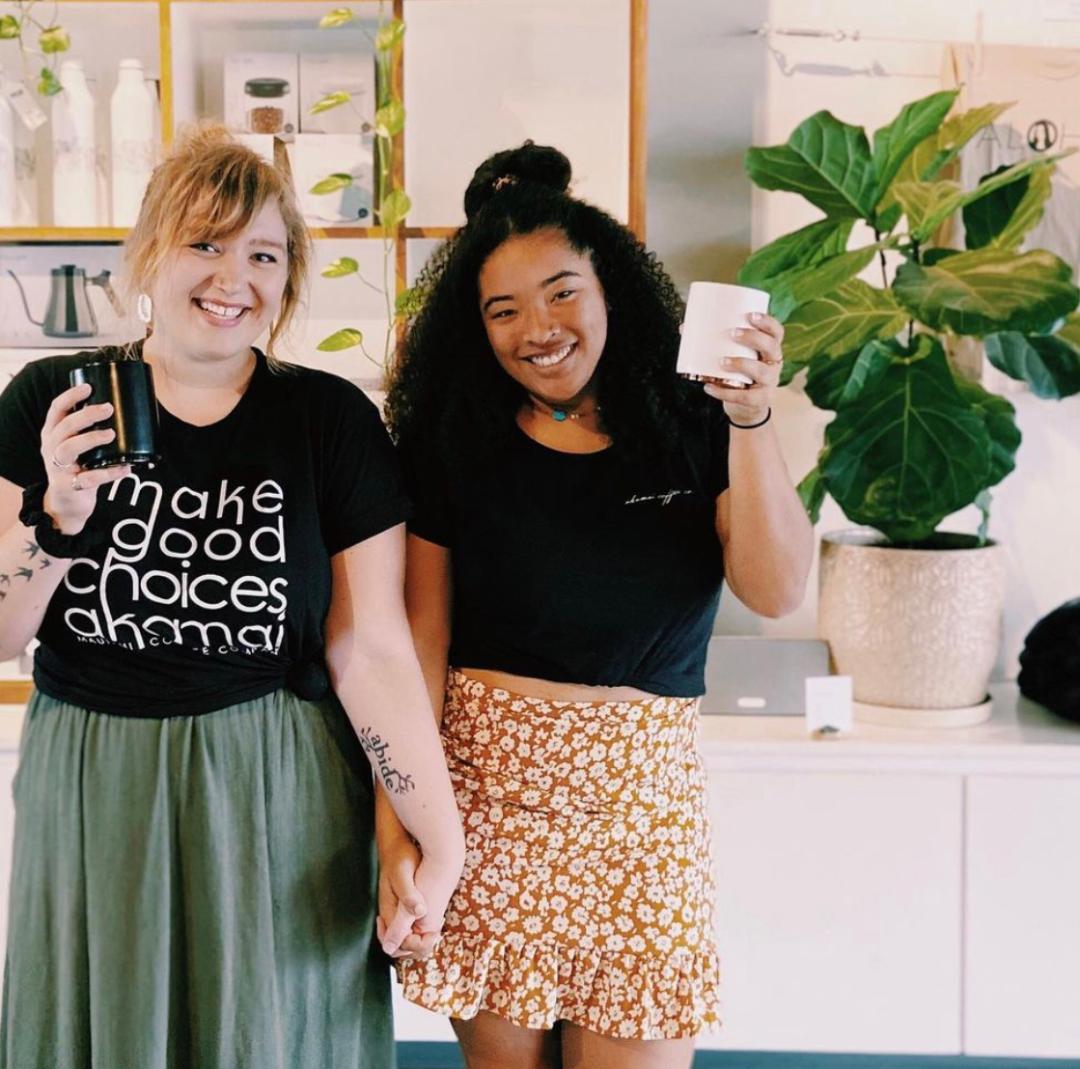
With beans grown on Maui, the owners of Akamai Coffee Company, Kimberly and Byron Brown, have perfected the cup of coffee from start to finish. In business since 2007, with a drive-thru in Kahului adjacent to Home Depot, the Browns have also opened fashionable Kihei and Wailea cafes. As Akamai dealt with the Covid-19 global impact, they realized the importance of being creative to make the business work through this challenging time. The drive-thru Kahului and Kihei locations with grab-and-go choices were a big help. Once allowed to reopen, they were ready to resume in-person business, with Covid restrictions.
“We have been blessed,” said Sarah Strubhar, Akamai store manager. “We are so grateful for our customers and we work hard to offer them a great product. Akamai coffee beans are 100-percent locally grown on the West Side in Kaanapali. From the farm, our beans go to a private upcountry roaster in Haiku. The brewed coffee, americanos, lattes, frappes, mocha, seasonal roasts, and more, are all local flavors. We roast two to three times a week so everything we make is super fresh. Roasting is an essential part of the seed-to-serving process to get the finest tasting coffee into your cup. The roasters at Akamai have spent countless hours fine-tuning the Maui coffees to get the highest quality flavor notes and profiles in each and every batch.”
The high caffeine content in Akamai coffee is due to the way they roast. Their medium roasting technique ensures the natural caffeine is not burned off. “Once the beans come to us, we make sure everything works to perfection,” Strubhar noted. “Plus, because great coffee starts with good water; we use a filtration system at each location.”
The food menu at Akamai also consists of local Maui ingredients. With their pastries and other dishes, such as avocado toast, and their specialized coffees including Maui Peaberry, Maui Mokka, Makawao Avenue Roast, Yellow Brick Road Roast and their Akamai Signature Roast, customers are returning daily. Strubhar emphasized, “Our goal is to provide the best we can for our clientele. It is time for Made on Maui to shine!”
Maui produces some of the most delicious coffees in the world. It means a great deal to share a piece of Maui with the people in the community.
Born and raised in Wailuku, local artist Malorie Arisumi loves to share her talent and passion for painting. Her enthusiasm for art began at a young age, when an elementary school art project sparked something magical for her. She was further inspired by various media during high school and created her first oil painting of a purple Maui sunset. Arisumi graduated from UH Maui College (UHMC) in 1986 with an associate degree in Business. In 2015 she received another degree from UHMC in Visual Arts.
“Being in school again in my late 40s, I was surrounded by art students of all ages,” said Arisumi. “I had the wonderful opportunity to be an assistant artist to Samuel Kaiwi on the mural titled Makahiki on the UHMC campus, where I learned to work as a team with other artists. Since 2017, I have been teaching painting for beginners and all levels at the Kaunoa Senior Center, where classes begin again in October. My students experience several forms of media such oils, acrylic, watercolor, alcohol ink and printmaking. It is more than paper and paint; we inspire and learn from each other in a peaceful and healing environment.”
Sandy Nakama, Kaunoa art student, commented, “Arisumi is an inspiring and encouraging teacher. She motivates in a positive way and I always learn new techniques. I have been in her bamboo painting class since 2017 and one of my paintings won an award at the county fair!”Currently, Arisumi does various commission pieces, teaches art classes, sells at craft fairs, and is featured on fineartamerica.com. Queen Kaahumanu Center is showcasing her mural, Kaanapali Regatta, along with four of her paintings in window wraps throughout the mall; for which she is touched and honored. She is doing Zoom art classes for families through UHMC where participants explore Hawaiian themes, renewable energy and conservation. “I am thankful to be part of special projects in which we are able to blend sustainability concepts with artistic techniques,” Arisumi reflected. “Painting is a work of love. It makes me very happy to share it with others. I enjoy seeing everyone paint!”
It’s never too late to follow your heart and passion. It’s definitely never too late to paint!
Clifford Nae’ole, Hawaiian cultural advisor for The Ritz-Carlton in Kapalua, provided the cultural opening at the 8th annual Hawaii Energy Conference (HEC). This year, the HEC explored the theme Energy Transition in Hawaii: Focus on Investments in People and Projects. Presented by Maui Economic Development Board (MEDB) and supported by the County of Maui Office of Economic Development, the two-day conference featured keynotes, panel discussions, interviews, networking, and exhibits.
Leslie Wilkins, MEDB President and CEO, noted, “We began the conference by reflecting on the HEC’s special focus of our responsibilities to the land and its people. “It was elegantly acknowledged and explained by Nae’ole in his pule, spoken and chanted.”
Nae’ole, using visual metaphors, said, “We gather together as one, collectively, for one cause for the betterment of mankind, to find energy sources, and to work toward one goal, sustainable energy. Make sure our energy sources are in order so that our children and grandchildren can live with balance in the world. Consider that we represent a universal canoe and each of us has our own canoe. Make sure to design your canoe towards one sustainable energy goal. Listen to each other. The crew that works together with understanding works through challenges and will get over the highest waves. Look to the future, respect each other, listen, understand, share, decide. The future is ours. We are connected by a single source of energy.”
Nae’ole was recently recognized with a Historic Preservation Award from the Historic Hawaii Foundation. The awards recognize and celebrate excellence in historic preservation throughout the Hawaiian Islands, and Nae’ole’s individual award honored his exemplary achievements in advocacy, education, programming, and preservation efforts.
Born and raised on Maui, Nae’ole is dedicated to creating bridges between the Hawaiian culture and the contemporary business world. As a pioneer in the development of educational programs, he has educated thousands and is highly respected for his knowledge of Hawaiian culture, language, and history. Nae’ole reflected, “I believe that everyone—past, present and future—needs to learn about our sacred island, and honor it now and forever.”
In accord with Nae’ole’s pule, the 2021 HEC explored energy transition in Hawaii focused on the skills of the people to develop our clean, secure, resilient, and sustainable energy future.
Maui Coffee Roasters (MCR), a staple business on Maui since 1982, joined Maui Business Connect, one of Maui Economic Development Board’s (MEDB) newest programs for small businesses. The program focuses on growing local businesses in Maui County through training, mentoring, and networking, as well as connecting innovative businesses in the agriculture, creative, and health care industries. It is designed to help diversify the local economy and create jobs throughout the region.
Leslie Wilkins, President and CEO, MEDB, noted, “We hope to expand our business-development mentoring and counseling to target businesses that are past the ‘startup’ phase and are poised to scale, but need additional technical assistance and coaching to achieve the next level. These businesses are the job creators who will fuel our economy and MEDB’s goal is to offer programs to increase their probability of success.”
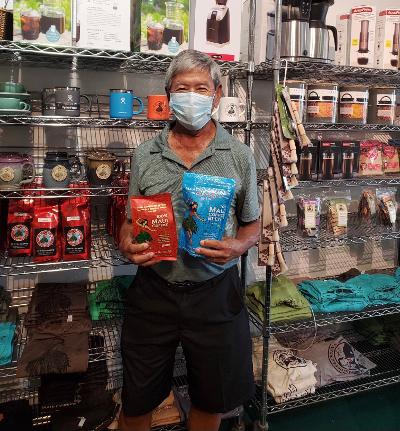
Throughout the years, MCR has provided the local community with a comfortable place to relax and enjoy a cup of coffee. Conveniently located in Kahului, they provide a prime spot for travelers and local residents alike. Well known for 100% Hawaiian Coffee, MCR was voted the Best Local Coffee Shop in 2018. It is also a longtime supporter of Maui’s non-profits and winner of the Community Business Award from the Maui Non-Profit Directors Association. The team roasts coffee from across the Hawaiian Islands, as well as a wide selection of international coffee. All of their coffee is freshly roasted in small daily batches using their eco-friendly Loring™ roasters, ensuring the best taste possible. They display colorful art, offer baked goods, and a selection of brewing accessories. However, along with other small businesses, MCR was hit hard by the Covid-19 pandemic. “At MCR we have followed all safety precautions to keep our employees and customers safe,” said MCR General Manager Mike Okazaki. “We entered MEDB’s Maui Business Connect to support and network with other business owners. For 40 years, MEDB has been a dynamic force in promoting innovation and entrepreneurship. The Maui Business Connect program assembled a cross-section of established businesses as a think tank of ideas to redefine vibrancy.”
MEDB’s Maui Business Connect program offers technical assistance and coaching to businesses, and helps diversify the local economy to create jobs throughout the state.
Mike Okazaki, Maui Coffee Roasters General Manager